














In the '80s, at the suggestion of director Steven Spielberg, the Motion Picture Association of America modified its film rating system, creating more categories for parental guidance to reduce conflicts over film censorship. The result was a more nuanced approach to pushing the boundaries of the rating system, as a lower rating generally meant a wider potential audience and higher box-office performance. These battles have been fought since the pre-Code Era, when an X-rating could be a death sentence for a film if censors deemed it unfit for wide theatrical release.
Still, there were X-rated films that drew enough of an audience to become critically revered, in one case, Midnight Cowboy, which even won Best Picture at the Oscars in 1970. The infractions that could trigger censorship were varied — cursing and the number of incidences in a film had to be considered in an edit, as well as sexual content and specific speech regarding religion or subject matter thought to incite violence. Curiously, the depiction of physical violence and gore was often the least censored part of American films, as America's lust for crime epics, horror films, and war could generally pass muster with an R Rating. Ratings didn't always align across countries, however, and some on this list show differences in international opinions about censorship.
'Blue is the Warmest Color' (2013)
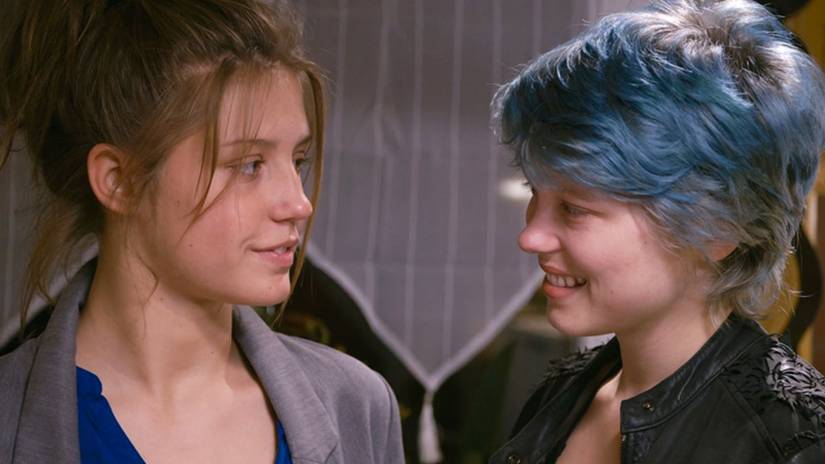
Léa Seydoux and Adèle Exarchopoulos in Blue is the Warmest Color
Wild Bunch
Blue is the Warmest Color (La vie d'Adele in France) exposed the American discomfort with sexually explicit scenes between same-sex couples, as the film, despite winning the Golden Palm at the Cannes Film Festival in France, garnered an NC-17 rating in America.
Léa Seydoux had already acted in American films Mission Impossible: Ghost Protocol and Midnight in Paris, but her graphic sex scene opposite Adèle Exarchopoulos proved too much for American censors, even though it delighted critics, who seem to unanimously feel that film is the art form that best examines the complexity of sexuality.
'The King's Speech' (2010)
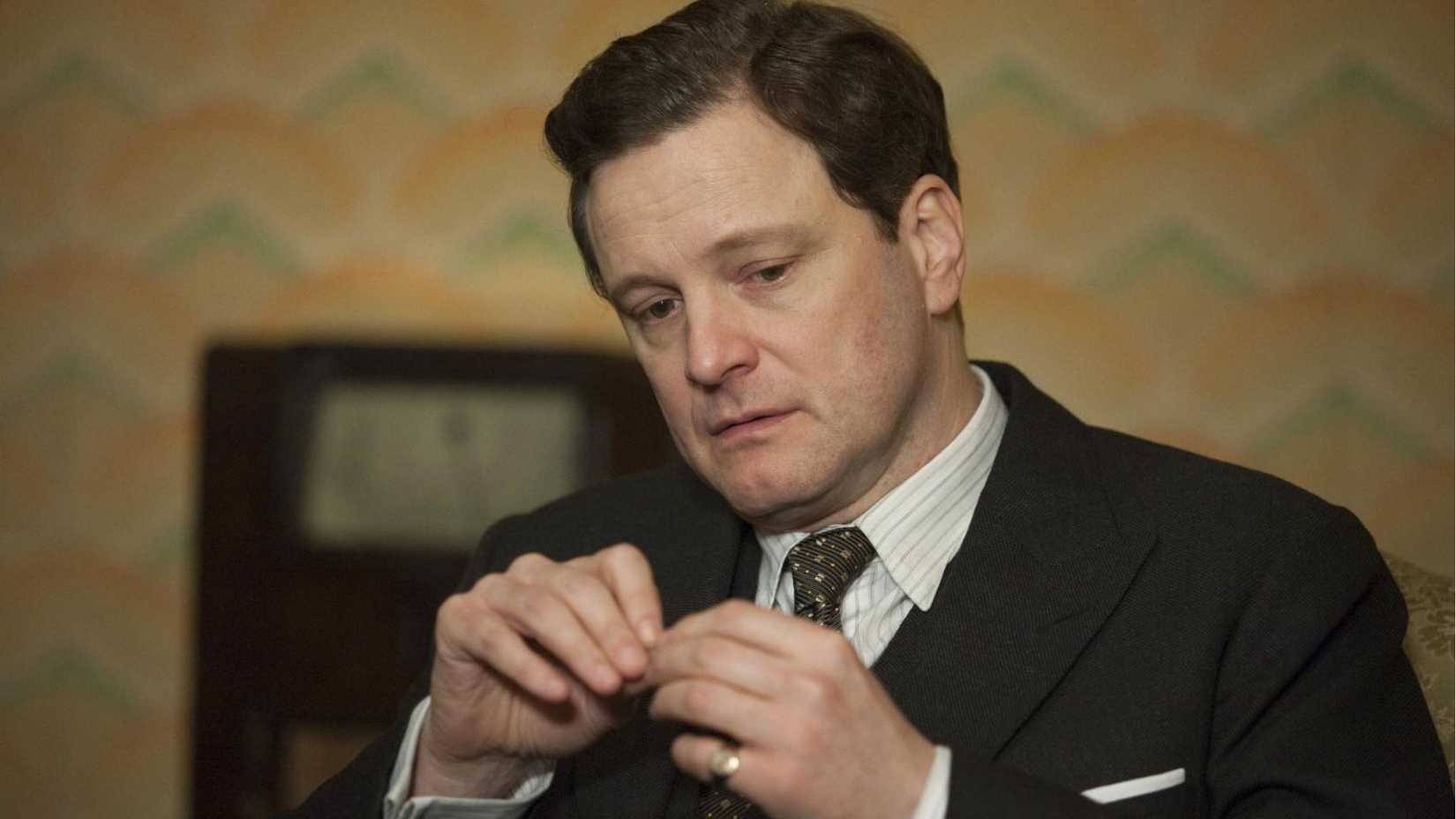
Colin Firth in The King's Speech
Paramount Pictures
The F Word has long triggered the MPAA, creating a rubric wherein only one F Bomb can be dropped in a PG-13 film. For The King's Speech, that presented a problem. After winning Best Picture at the Oscars, The Weinstein Company essentially censored their own movie for a wider theatrical release, omitting the Duke of York's F-laden tirade as he attempted to overcome his stammer.
The scene was a particularly triumphant moment in the film, as Colin Firth's character finally overcomes his verbal hiccups by getting angry and dropping seven too many of the magic words. The film is a testament to the fact that sometimes economics play into censorship as much as content.
'The Exorcist' (1973)
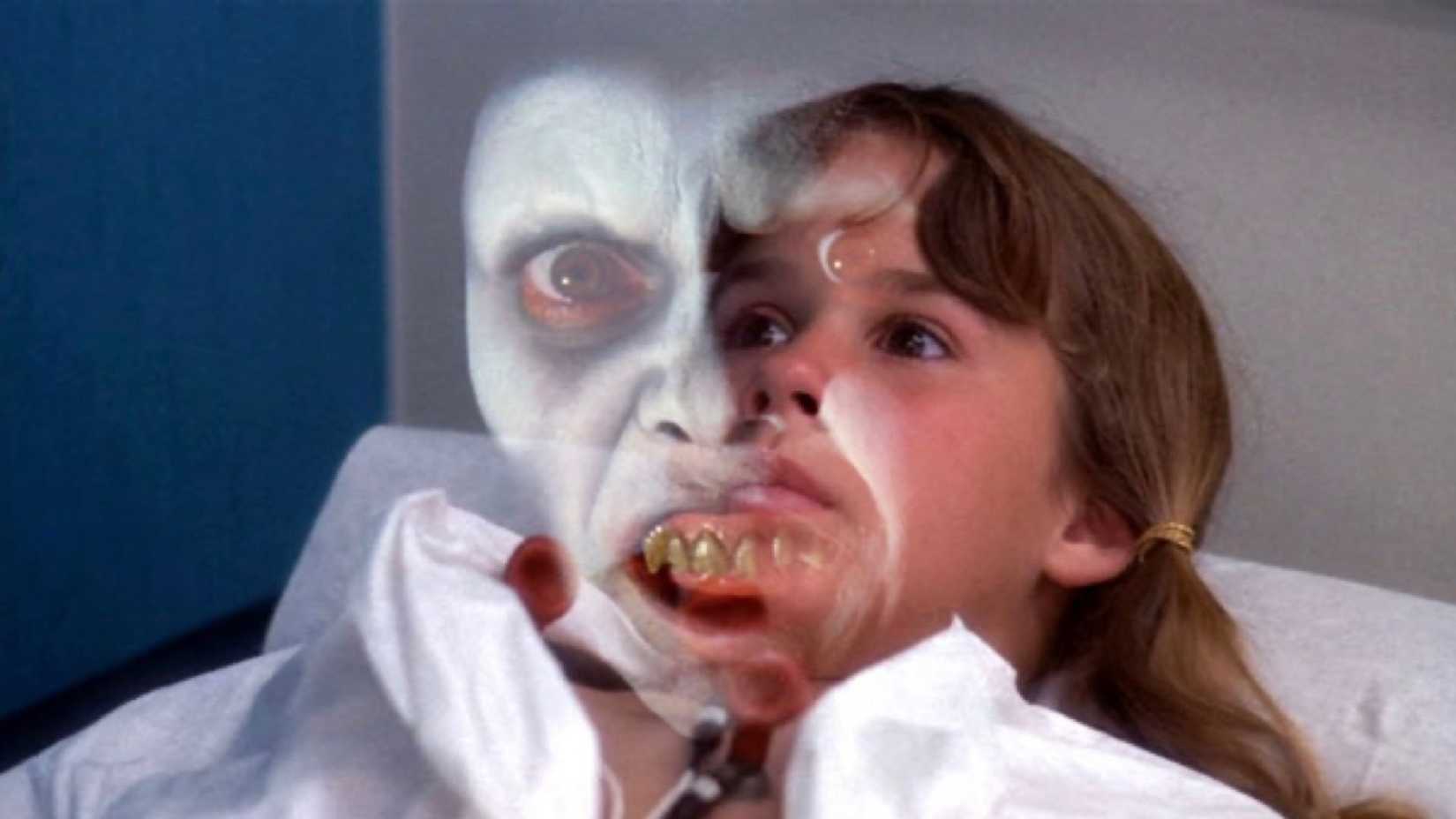
A picture of The Exorcist's demon
Warner Bros.
In 1973, William Friedkin shocked moviegoers worldwide with The Exorcist and sparked a new revival of the supernatural horror film. Linda Blair's demonic 12-year-old, Regan, was fit for theatrical release with an R-rating, but required Friedkin to make an additional cut for the film's TV premiere in 1980.
This required Friedkin to cut out all the swearing, but allowed for a surprising amount of graphic content deemed suitable for children. Because the Christian priest dispatched to perform the exorcism made the film essentially pro-Church, its depictions of the Satanic were considered permissible, as well. The movie now stands as a cultural phenomenon and one of the highest-regarded horror movies of all time.
'The Dreamers' (2003)

The cast of 'The Dreamers' (2003)
Fox Searchlight Pictures
Two and a half minutes worth of footage of sexually explicit scenes in The Dreamers were cut to get the film under an NC-17 Rating for release in the United States. A young Michael Pitt acted in the Bernardo Bertolucci film, which was centered around the fervent, activist drama surrounding the 1968 Paris student riots.
The film examines tenets introduced in the famous book The Society of the Spectacle, and it was, fittingly, too much of a spectacle for American censors. The distinction of American censors to focus more on sexual content than violence has long puzzled European filmmakers, with Bertolucci said to have been against the film's American version being released.
'Blue Valentine' (2010)
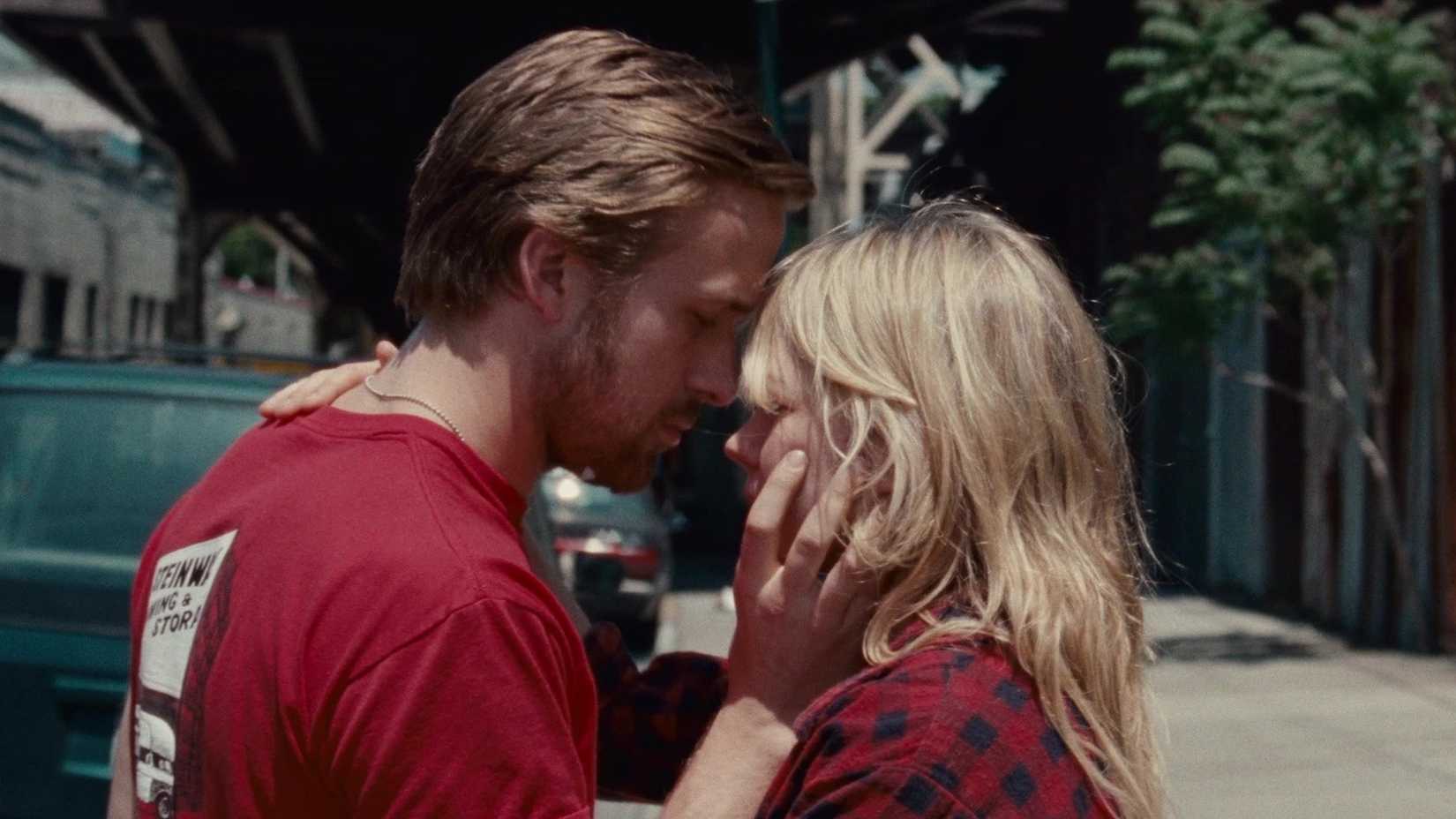
Ryan Gosling and Michelle Williams in 'Blue Valentine' (2010)
The Weinstein Company
Blue Valentine was initially granted an NC-17 rating thanks to sexually explicit content, sparking a debate led by the film's director, Derek Cianfrance, who created a dialogue around the topic and eventually got the decision reversed.
Cianfrance opined that "[The MPAA] were humble and generous to reverse their decision and I have a lot of respect for them for that. It's started a big discussion in America about why is sex taboo and why is violence okay. I think the MPAA has to re-evaluate its stance on things." The film was a rare case of the governing body relinquishing its prior rating choice, thanks to an online discussion of the ethics involved.
'Henry & June' (1990)
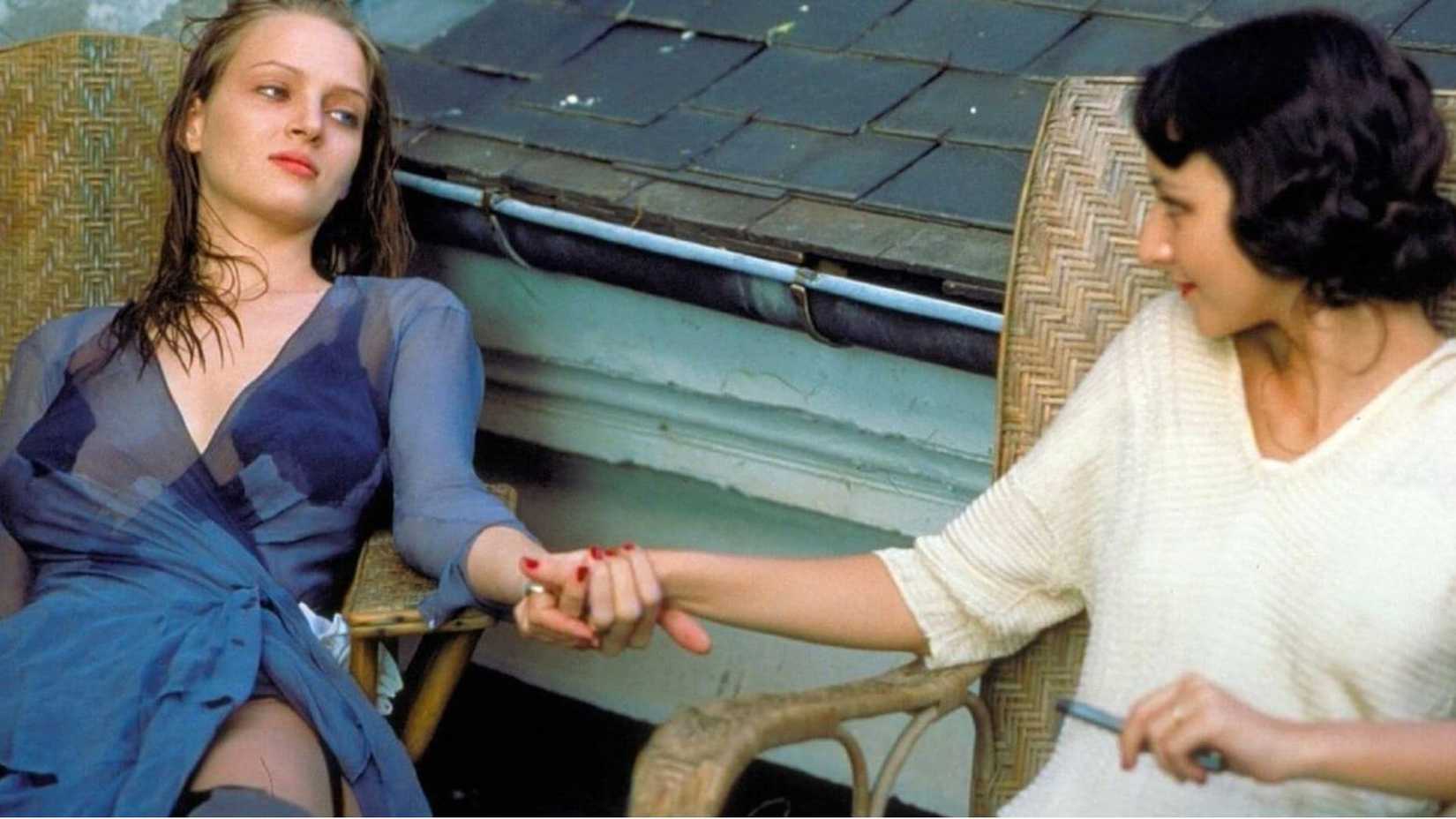
Uma Thurman and Maria de Medeiros in 'Henry & June' (1990)
Universal Pictures
Henry Miller was already a controversial author in American literary history, with his hypersexual stories of expatriots in Europe pushing the boundaries of free speech in literature.
In Henry & June, the writer's relationship with his wife and mistress in Paris is examined, and on September 27, 1990, the film became the first to garner the newly created NC-17 rating. One scene in particular, involving Henry (Fred Ward) and AnaÏs Nin (Maria de Madeiros) under a bridge in Paris, could have only passed muster in Europe.
'Irréversible' (2002)
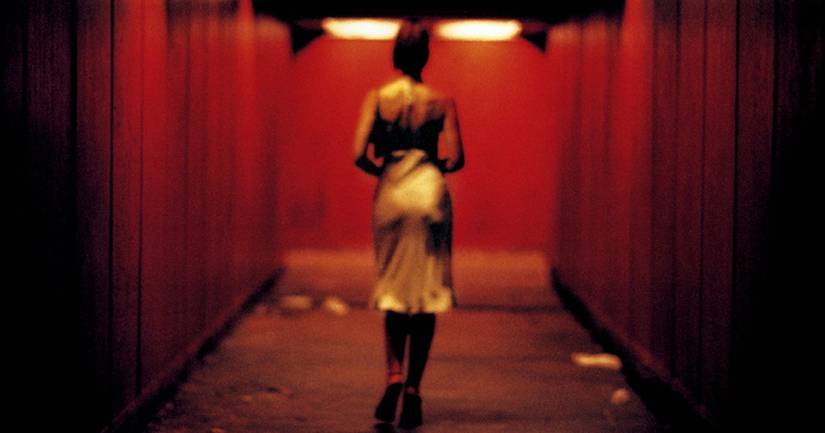
A portion of the poster for the 2002 thriller Irreversible.
Mars Distribution
Irréversible was the brainchild of avant-garde Argentine filmmaker Gaspar Noé, a film that pushed the boundaries and broke all the rules of what was even allowable. The plot follows a reverse chronology, with the first scene being the film's most climactic, and certainly not for the faint of heart, as Marcus (Vincent Cassel) enters a sex club to seek revenge for his pregnant wife's rape (the other completely harrowing scene).
While this sort of content may have seemed Not Safe For Life in the U.S. — remember, these were mainstream actors in Europe! Monica Bellucci was willing to risk a complete revision of her stardom as the victim of the film's most significant trauma, a scene so brutally long and drawn
'Midnight Cowboy' (1969)
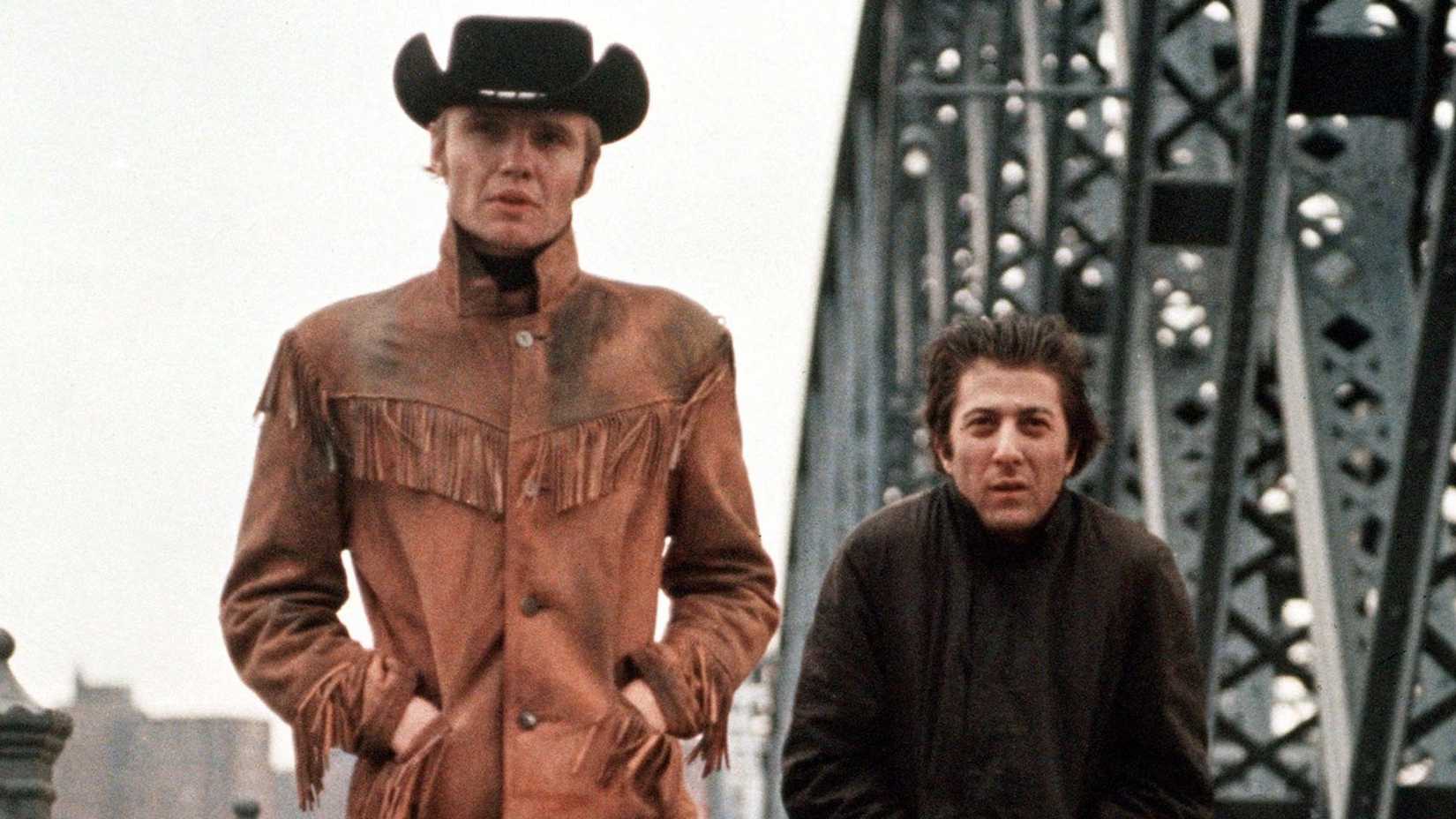
Jon Voight and Dustin Hoffman walk through New York CIty in a scene from Midnight Cowboy
United Artists
Basing the plot of a studio film, Midnight Cowboy, around the life of a male prostitute was unheard of in 1969. Still, director John Schlesinger was familiar with gay lifestyles and the nightlife scene surrounding 42nd Street in Manhattan back then, adapting a narrative that he managed to slip through the door at United Artists before the censors clamped down with an X-rating.
The rating didn't stop the film from reaching enough audiences to become a critical and box-office hit, never more evident than when the film won Best Picture at the Oscars.
'Basic Instinct' (1992)
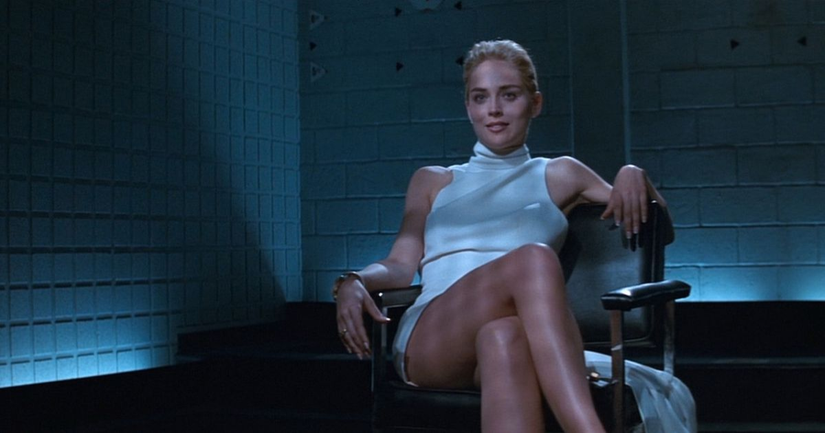
Sharon Stone's infamous leg crossing scene in Basic Instinct
TriStar Pictures (1992)
Basic Instinct required some heavy cutting to retrofit the film for audiences in Germany, as the film's sex scenes and gory icepick coitus interruptus required some serious editing.
The film's infamous deposition scene was, surprisingly, one that didn't require editing, as Paul Verhoeven cleverly cut around Sharon Stone's leg uncrossing, showing how alluding to something shocking can have a Mandela Effect on our collective brains, as the hair-raising scene was satirized in several following films and comedy programs. The movie did not come without its controversies behind the scenes, as Sharon Stone would later state that she lost custody of her son because of the film.
'Medium Cool' (1969)
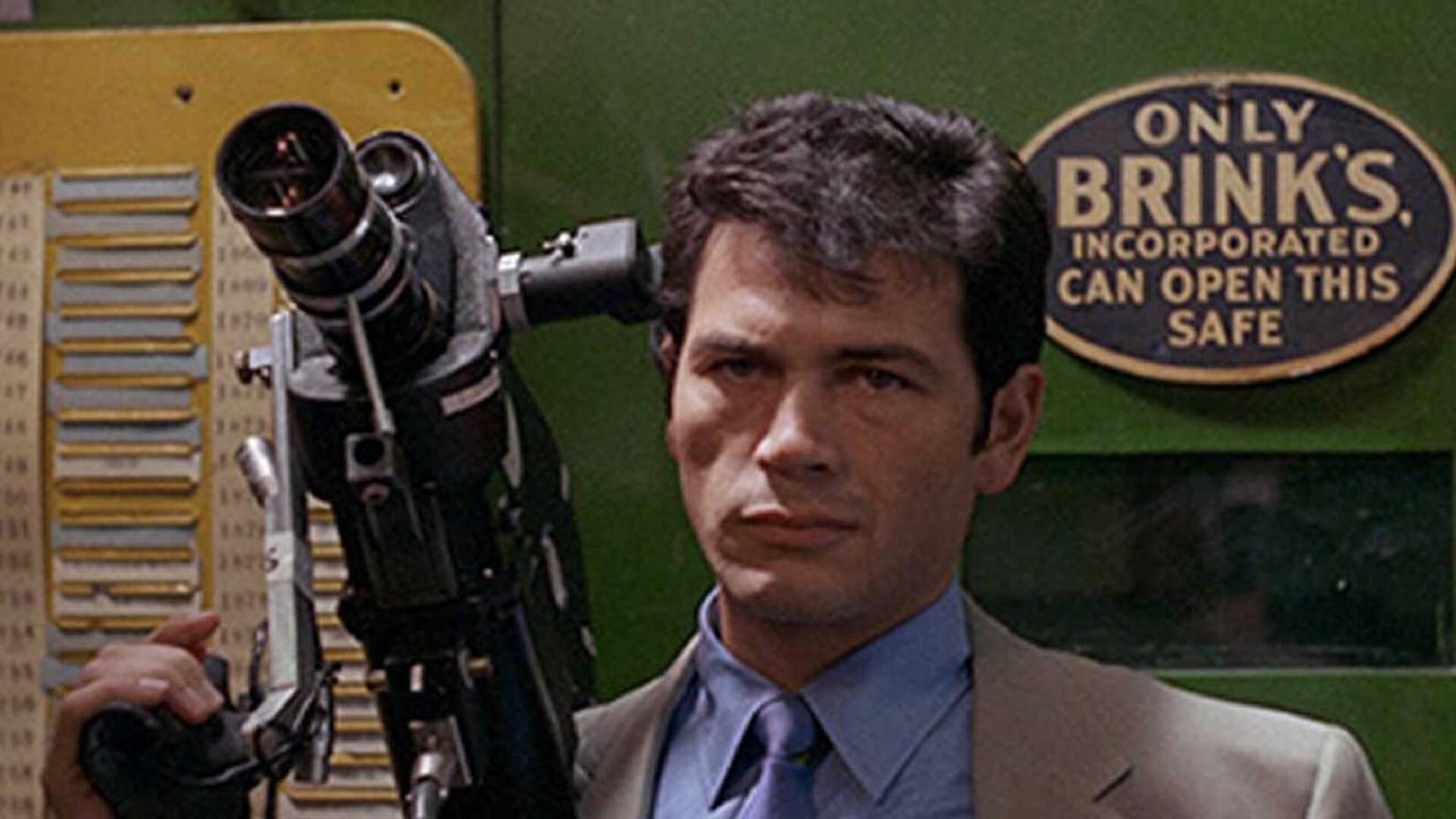
Robert Forster in 'Medium Cool' (1969)
Paramount Pictures
Sometimes, the MPAA's decision to issue an X-rating can be seen as politically motivated, as in the case of Medium Cool. During the politically fervent 1968, Haskell Wexler wrote and directed a film about politics, news reporting, and what constitutes verité during a year when Dr. Martin Luther King Jr. and Robert F. Kennedy were assassinated.
Wexler struck a deal with Paramount to self-fund the film on the condition of creative autonomy, leading to a much more political film than studios of the time were comfortable with. This led to an X-rating, which Wexler always felt was politically motivated, as the film is presented almost like a documentary, covering Chicago's Mayor Richard Daley and the controversial Chicago riots of '68.
'Last Tango in Paris' (1972)

Marlon Brando in 'Last Tango in Paris' (1972)
United Artists
Another Bernardo Bertolucci film that pushed the boundaries of censorship, Last Tango in Paris rode the line between an R and X rating, with a rape scene that caused the film's banishment from several countries, including Bertolucci's own, Italy, where he was charged with obscenity.
Adding to the controversy was the age difference between Marlon Brando (48) and actress Maria Schneider (19), who felt violated by how the scene in question was improvised by Brando. This led to two minutes of the film being cut to secure an R-rating for American release, a smart decision, financially speaking, given the film's $96 million box-office haul ($696.5 million in today's dollars).
'The Battleship Potemkin' (1925)
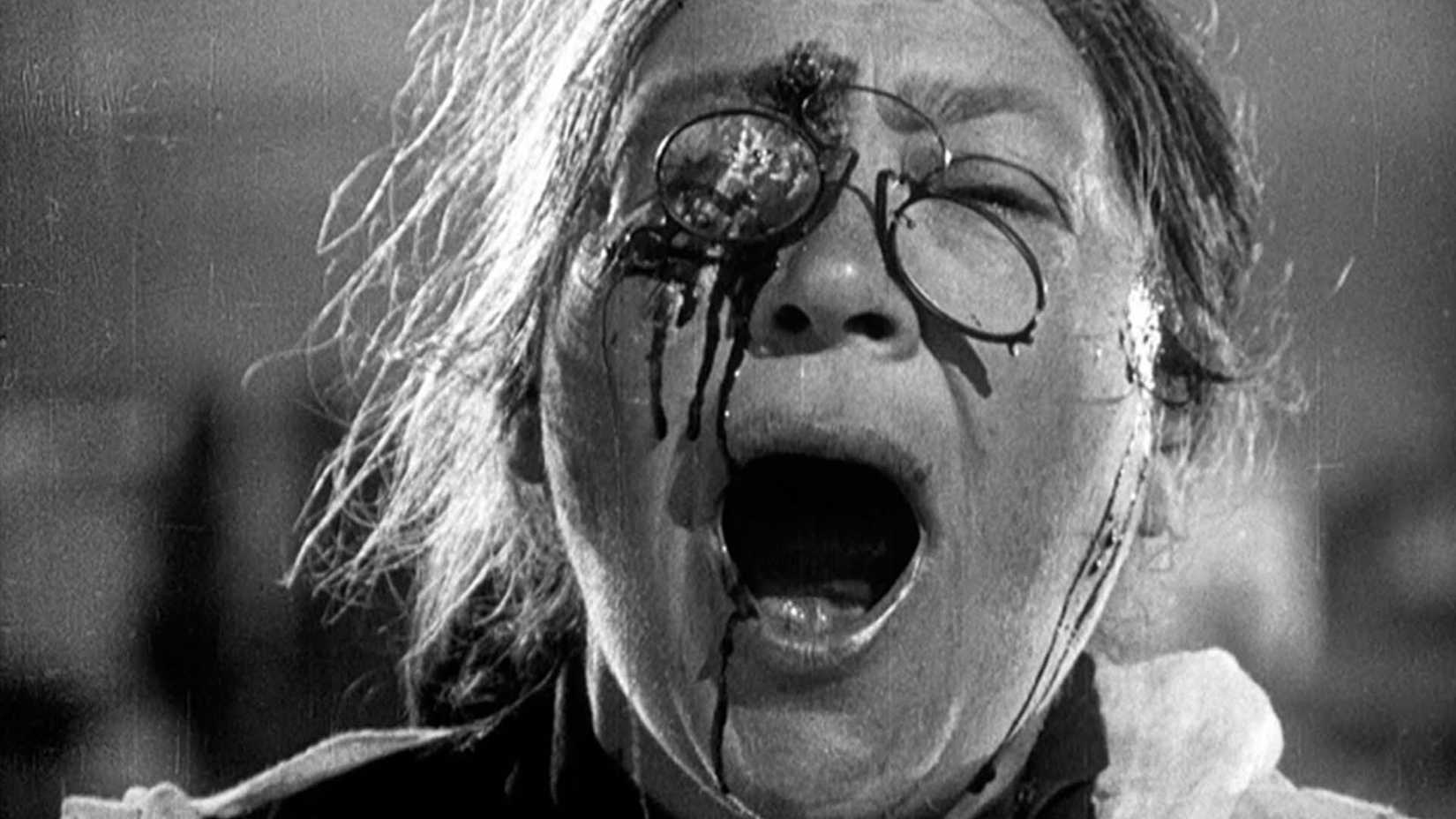
Still from 'The Battleship Potemkin' (1925)
Goskino
The Battleship Potemkin was a pro-communist Soviet film commissioned by the Soviet government to celebrate the 20th anniversary of the 1905 Russian Revolution. The film was a hit in Russia, but when it reached Germany, it ran into political censorship, with the Weimar government fearing it could serve as agitprop and inspire revolution in Germany.
This concern was a testament to Sergei Eisenstein's masterful film, grand in scale thanks to the massive funding of the Soviet Union, which at the time saw it as pro-government propaganda. Joseph Stalin, however, didn't — later banning the film in fear that it could incite his own ouster from the Kremlin.
'Adventures in Babysitting' (1987)
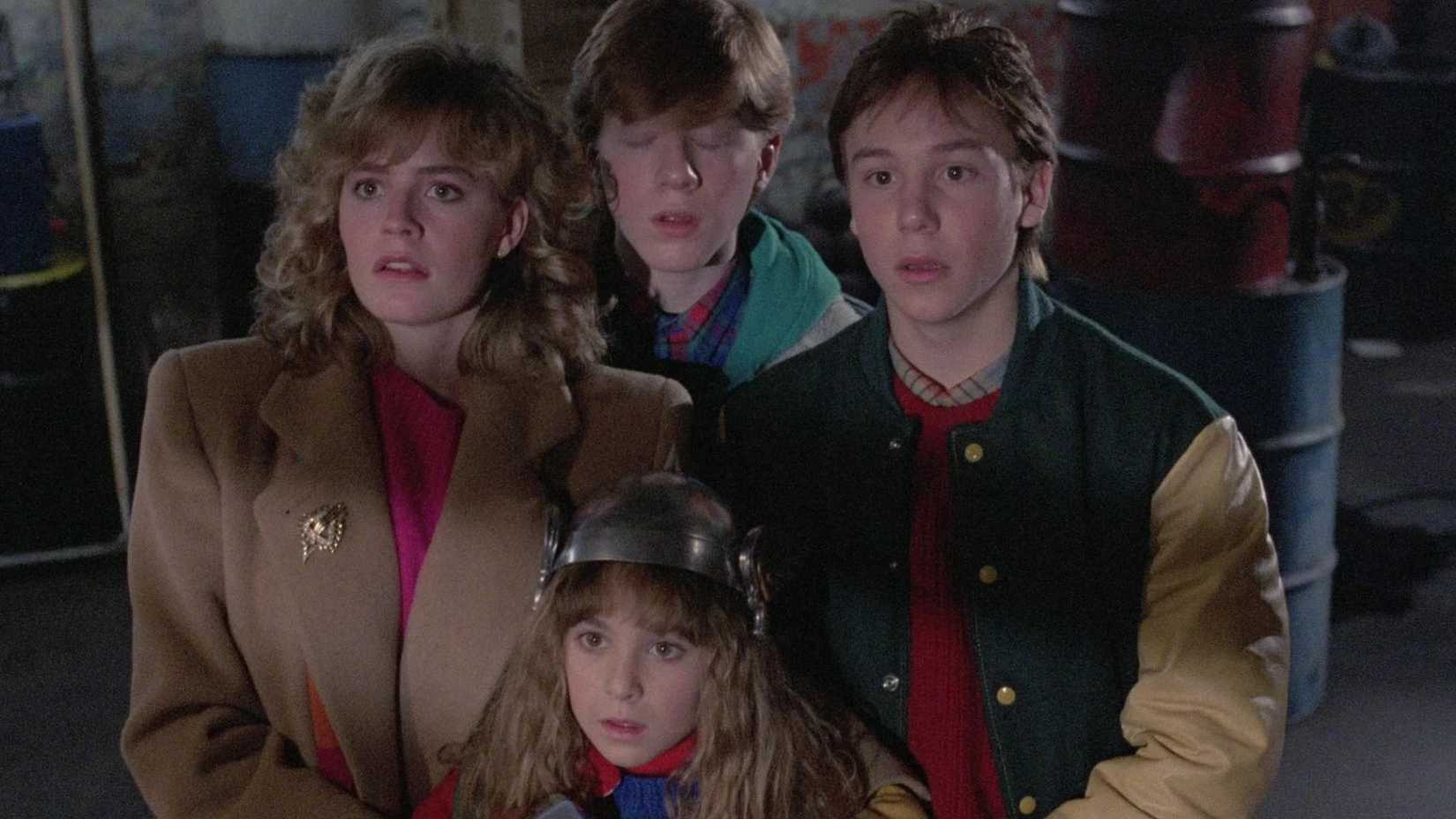
The cast of 'Adventures in Babysitting' (1987)
Buena Vista Pictures Distribution
Chris Columbus's 1987 film, Adventures in Babysitting, had one scene that didn't make the cut when it became a Disney+ property: Elisabeth Shue's infamous "Don't F*** with the Babysitter!" line. The line was changed despite being the film's crescendo, and showed that even years after the film's release, censorship standards don't always necessarily relax. The F word is still a significant trigger for censorship standards, even in the streaming era.
'The Evil Dead' (1981)
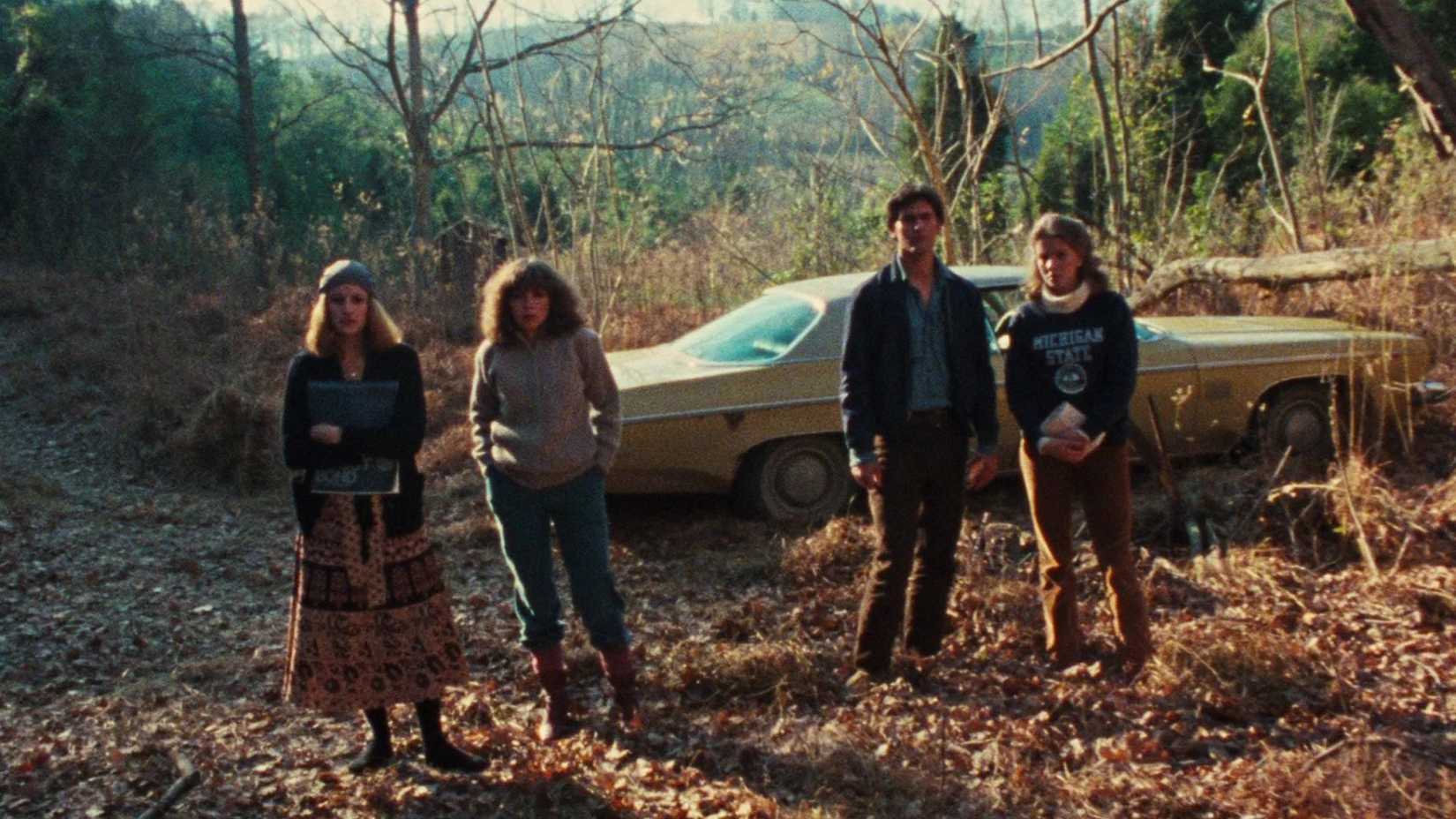
The cast of 'The Evil Dead' (1981)
New Line Cinema
Sam Raimi likely didn't realize his gore-fest The Evil Dead would become quite so popular, so after being issued an NC-17 rating by the MPAA, Raimi made a new cut to get a wider theatrical release, having a profitable second run at the box office and later spawning sequels, remakes, and a TV series. This is all despite being one of the most infamous 'video nasties' (banned films in the UK).
Raimi went on to direct more mainstream fare, including his own Spider-Man trilogy, but has always kept close to his roots, refashioning his franchise into Ash vs. Evil Dead and also continuing to make great horror comedies like Drag Me to Hell. We're not sure which scenes in The Evil Dead warranted the most editing, as the movie and its sequel have several infamous scenes that pushed boundaries at the time of their release.
'A Clockwork Orange' (1971)
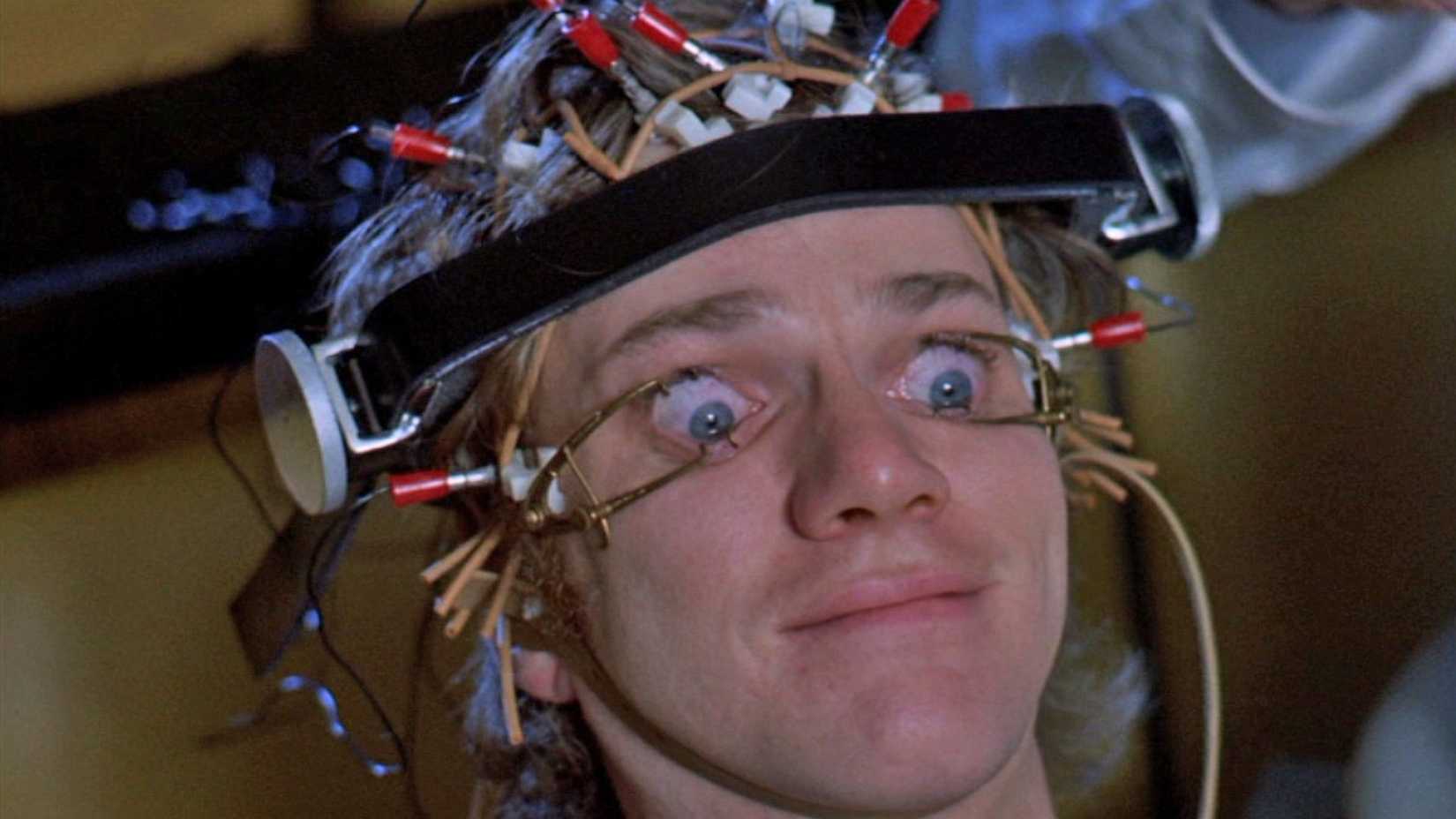
Malcolm McDowell in 'A Clockwork Orange' (1971)
Warner Bros.
The British Board of Film Censorship was not fond of Stanley Kubrick's adaptation of Anthony Burgess' novel A Clockwork Orange, leading to an X-rating — essentially a death sentence, as anyone under 18 who viewed the film could be arrested in the UK. In his disgust at the infringement on his creative autonomy, Kubrick withdrew the film from his home country, and for years it was difficult to view there until his death in 1999.
In the meantime, author Burgess used the movie's absence to his advantage, running his own stage play version in the U.K. for years. The film's rape scene and another one featuring the bludgeoning-to-death of an old woman with her…um…sculpture, were two key incidents that the BBFC weren't keen on British children seeing, even if it was deemed to be "art."
'RoboCop' (1987)
 Orion Pictures
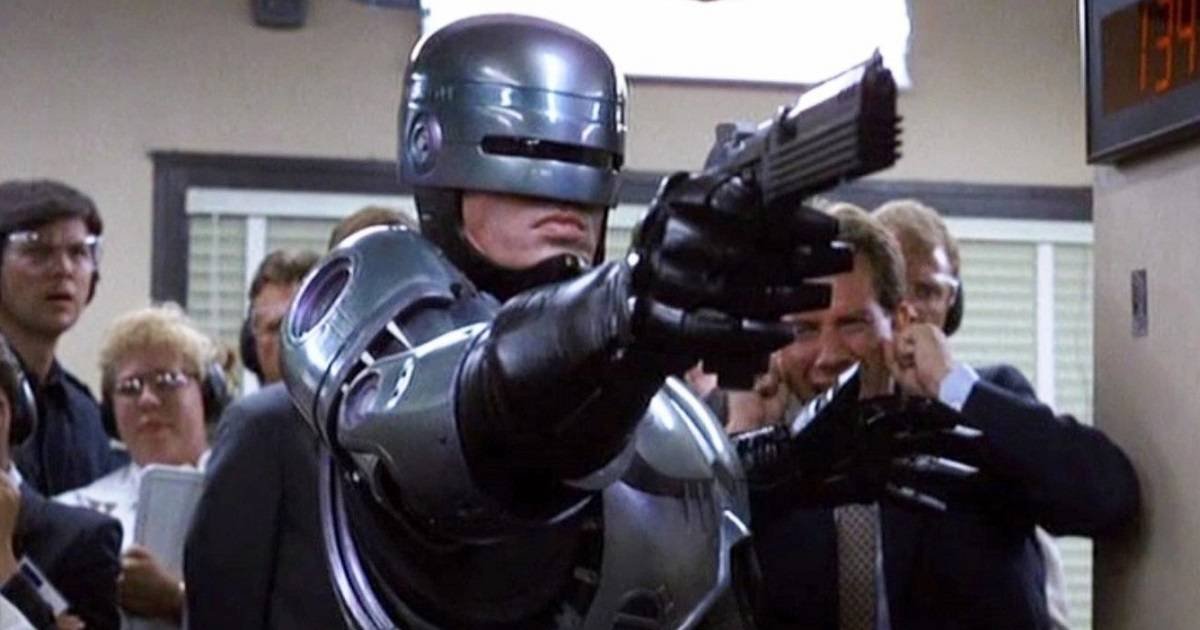
Paul Verhoeven loved testing the limits of censorship and went headlong into the pursuit with RoboCop, his first American film. Verhoeven submitted eleven (eleven!) different cuts to the MPAA before his contract with the studio was honored with an R-rating, as even in the '80s, Robocop was way too violent.
Even with the R-rating, it included a lot more swearing, gore, and violence than most cop films, and the experience didn't stop Verhoeven from pushing the edges of censorship with his following three films — Total Recall, Basic Instinct, and Showgirls. Coming from Holland, Verhoeven knew that the boundaries of censorship were often fluid and used his Dutch provenance to his advantage when arguing for the inclusion of his films' more graphic content, whether he was appealing to studios or the MPAA.
'The Texas Chain Saw Massacre' (1974)
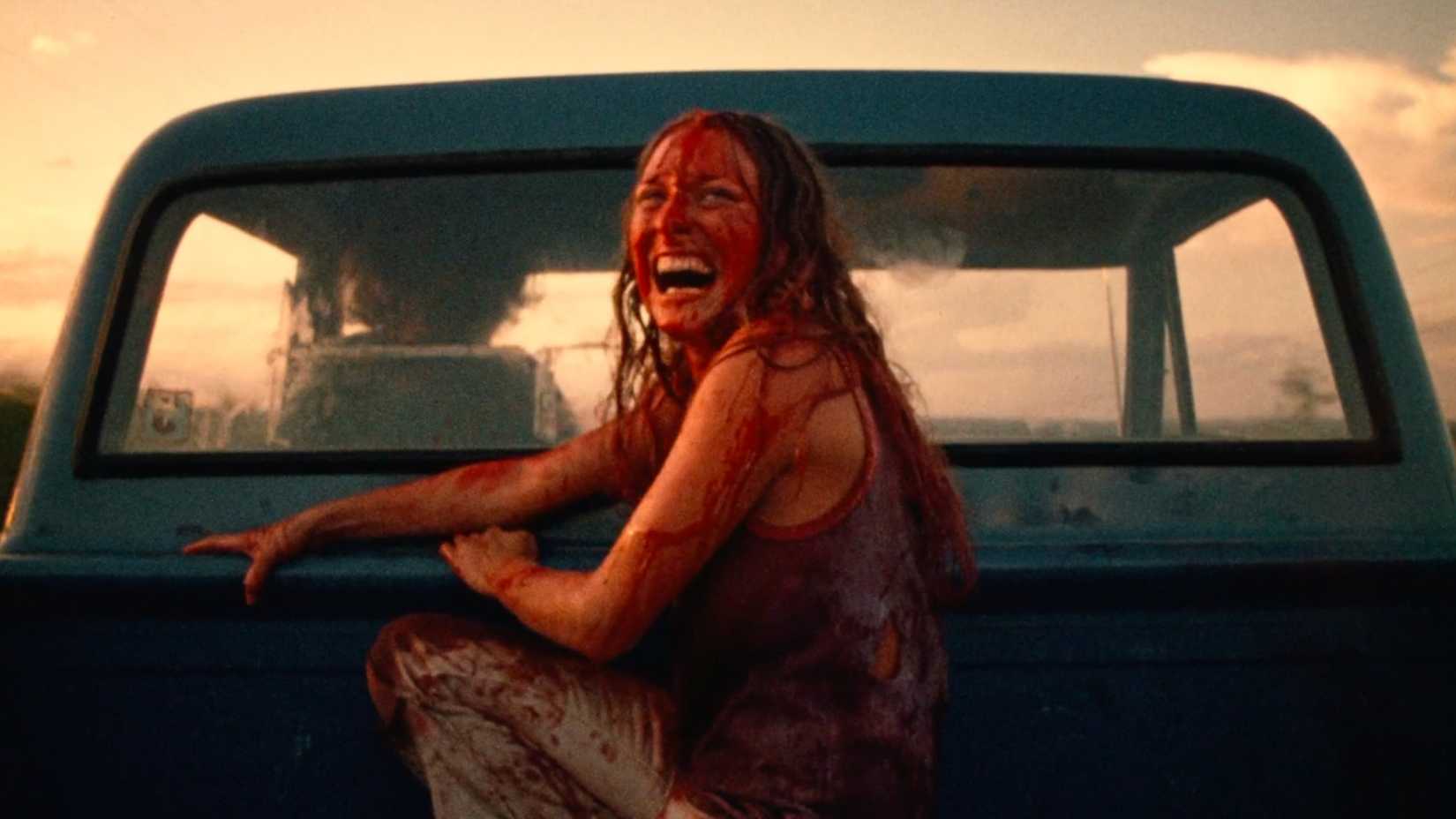
A woman is terrified in The Texas Chain Saw Massacre
Bryanston Distributing Company
There is undoubtedly a series of films that pushed the boundaries of horror in the 70s and came up against censorship, including the film Roger Ebert despised, I Spit on Your Grave, and the uncomfortably grim theatrical debut of Wes Craven, Last House on the Left. The movie, which was a grueling affair for all those involved, immersed its actors and viewers into a terrifying scenario of a cannibalistic family hunting unsuspecting travelers.
Surprisingly, the MPAA gave the movie an R rating because most of its violence was implied, but this did not stop certain states, such as Maryland, New Jersey, and Ohio, from banning or restricting showings. Globally, the film was banned in the UK, and other European countries demanded cuts before release. The movie is now highly influential, but director Tobe Hooper saw the film's popularity run up against censors worldwide, each with their own demands on what needed to be cut.
'Y Tu Mama Tambien' (2001)
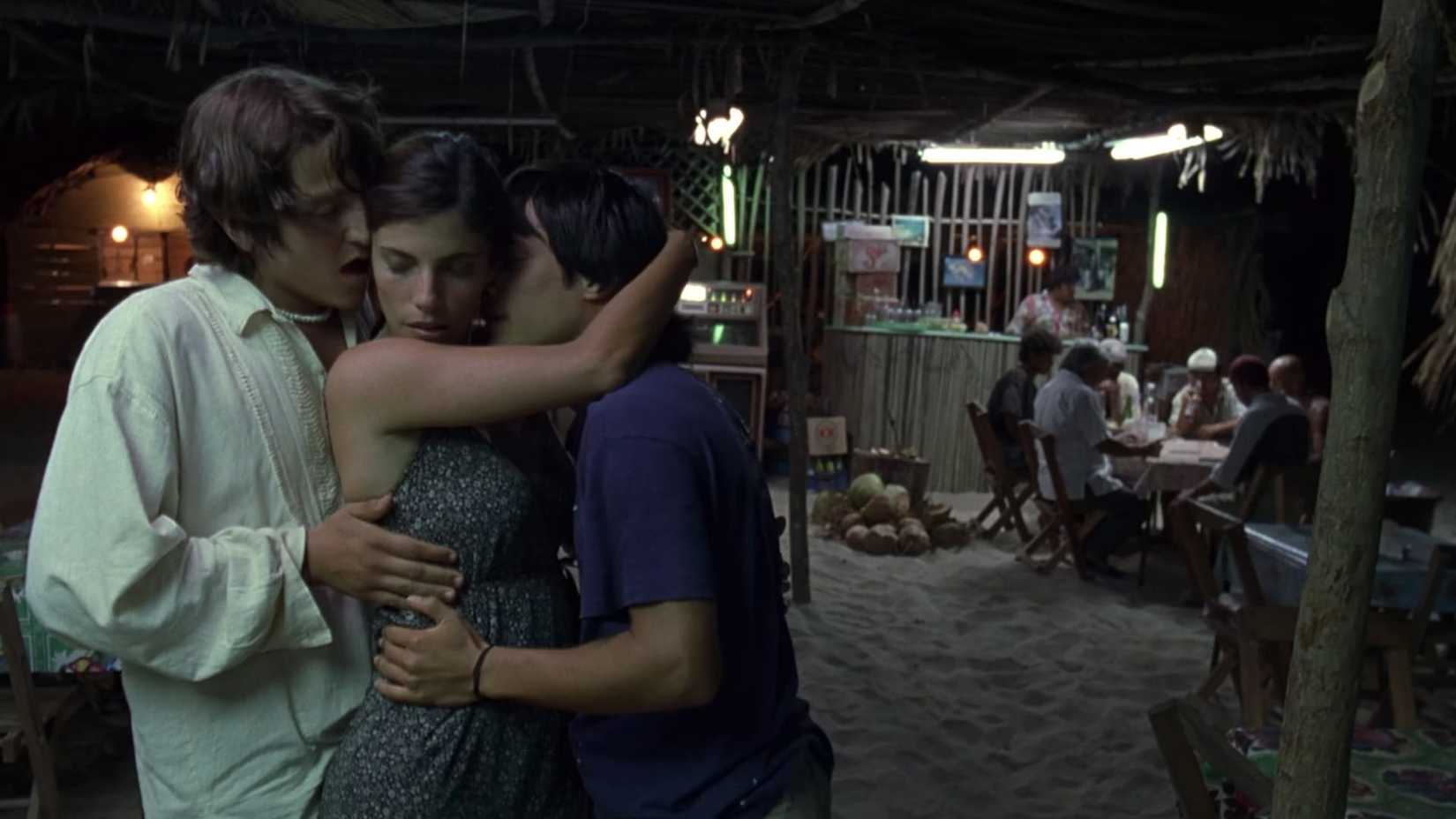
'Y Tu Mama Tambien' (2001)
20th Century Fox
Alfonso Cuarón's steamy sex romp, Y Tu Mamá También, had plenty of graphic scenes, featuring young men taking turns as lovers with an older woman, and eventually a same-sex love scene between Diego Luna and Gael GarcÍa Bernál.
Still, the majority of censorship of the Mexican film came in the subtitling, which was heavily edited to make the Mexican slang more palatable for American audiences. Apparently, the film didn't lose its edge in the process, as it received a nomination for Best Original Screenplay at the 2002 Oscars.
'The Cook, the Thief, His Wife & Her Lover' (1989)
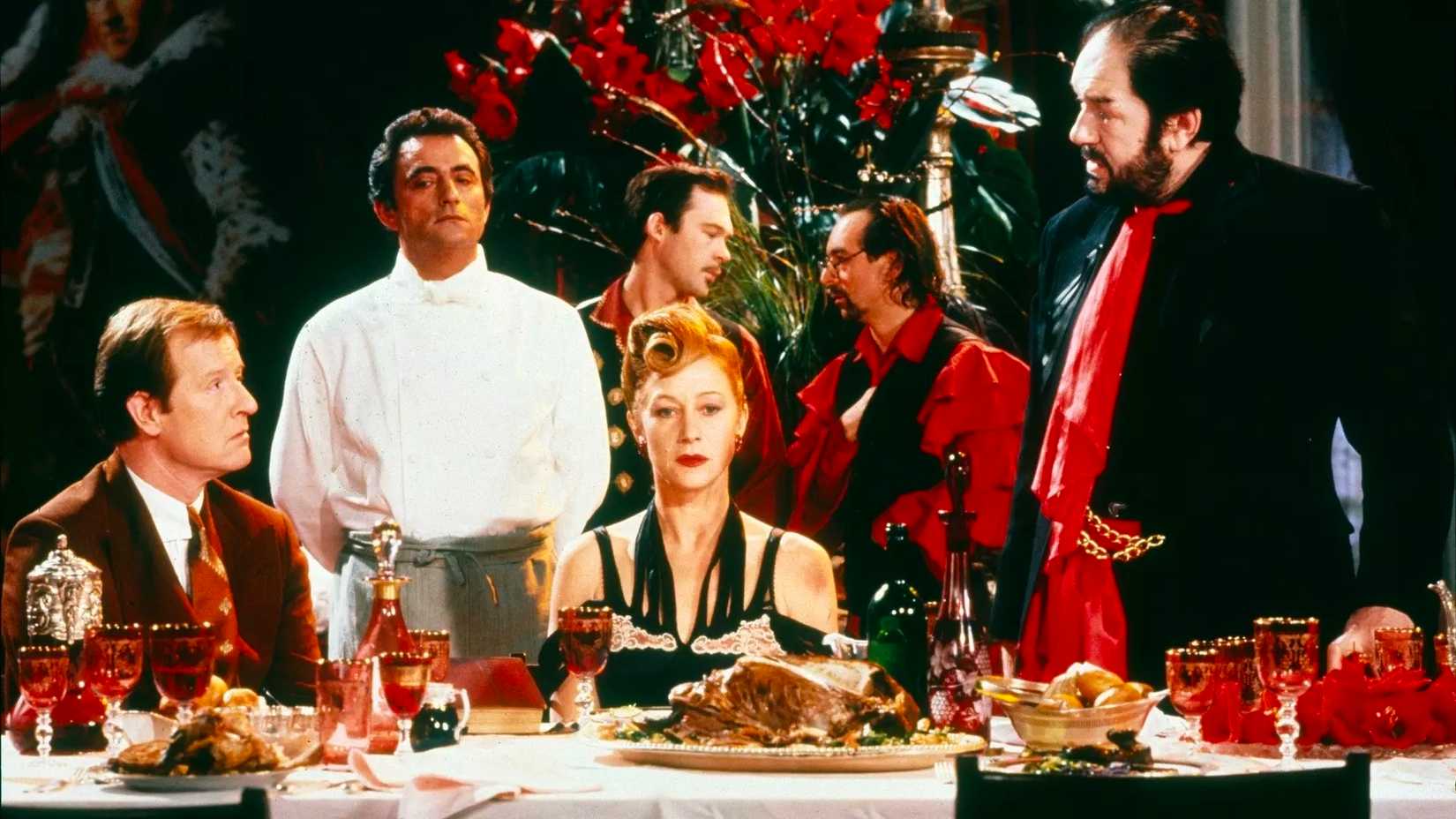
Helen Mirren and the cast of 'The Cook, the Thief, His Wife & Her Lover' (1989)
Palace Pictures
Peter Greenaway has been making some of the bravest arthouse films to come out of the U.K. for decades, and with The Cook, the Thief, His Wife & Her Lover, the director didn't deviate from his penchant for censor-activating content, as the film had its share of stark nudity and graphic violence. This included scenes with Dame Helen Mirren, who, before her mainstream discovery in the U.S., never shied away from wearing her birthday suit on-screen.
The MPAA gave Miramax a choice — either an X-rating or an "unrated" release (which still couldn't be viewed by minors, but carried a less negative connotation). Miramax chose the latter, and Greenaway's film saw limited release in American theaters, three years before the creation of the NC-17 rating.
'Brüno' (2009)
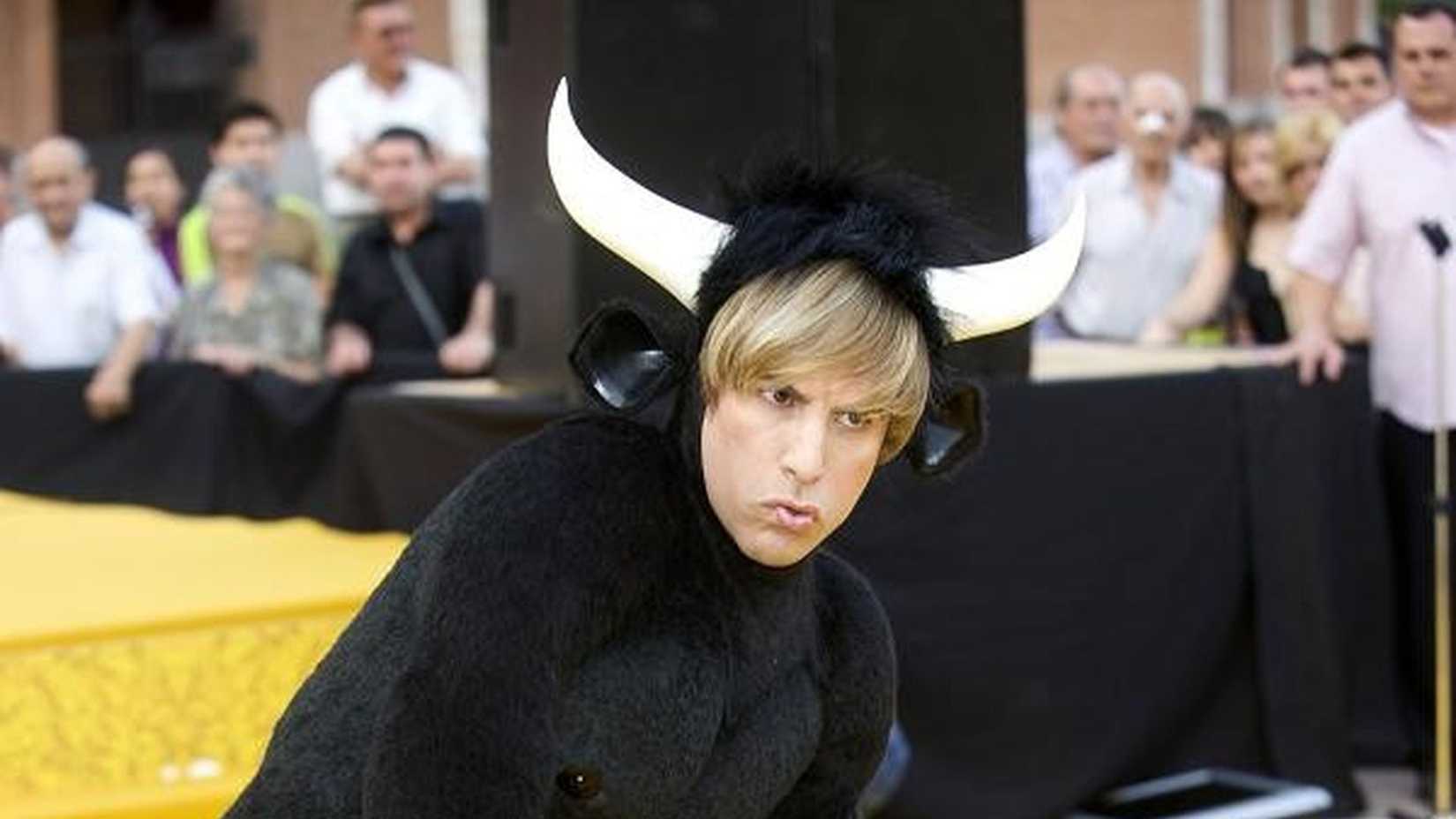
Sacha Baron Cohen dressed as a bull in 'Brüno' (2009)
Universal Pictures
Brüno sparked some outrage and public debate over its initial NC-17 rating in 2009, when the MPAA and Universal Pictures forced Larry Charles to submit a second cut of the film. Sacha Baron Cohen was willing to attempt to sneak anything he could past the censors, including the film's working title, which was Brüno: Delicious Journeys Through America for the Purpose of Making Heterosexual Males Visibly Uncomfortable in the Presence of a Gay Foreigner in a Mesh T-Shirt. You can't fault the guy for trying!
Many scenes were heavily edited for the R-rated version, but even the MPAA wouldn't mess with the sidesplitting laughs generated by the computer-animated, talking tallywacker.