












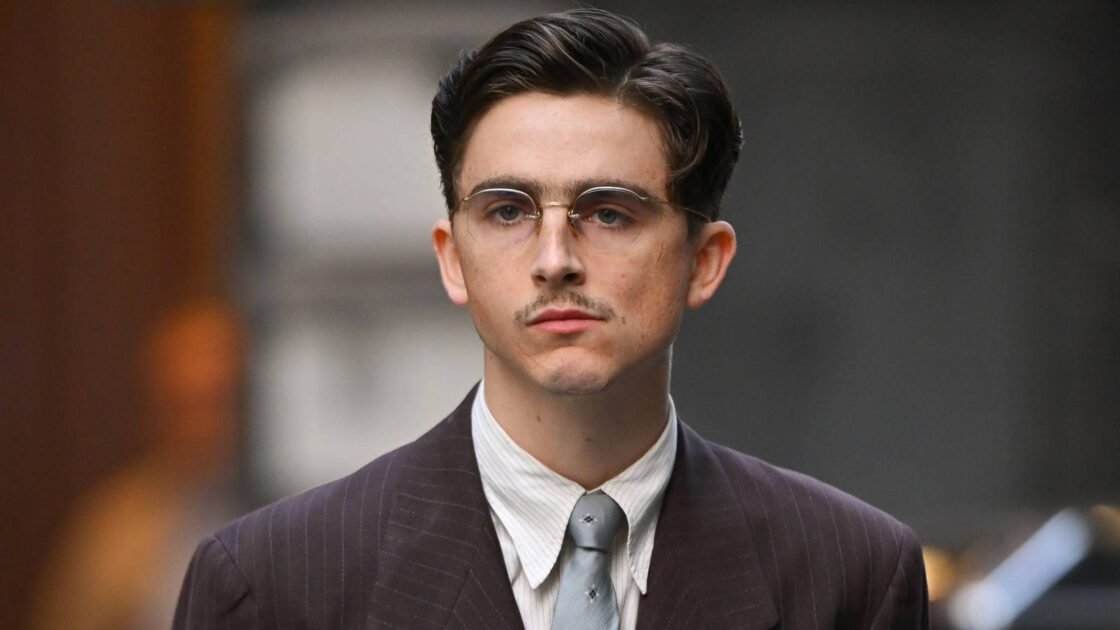

Josh Safdie's solo directorial debut, Marty Supreme, is out in theaters following a viral marketing campaign and plenty of festival and awards buzz surrounding it. Loosely based on the true story of real-life table tennis star Marty Reisman, the film is an ambitious project that tells the story of one man's dream of being at the top of his sport. It's hard to believe that a film about ping pong could be as intense as it ended up being, though the sport is hardly the entire focus of Josh Safdie's country-spanning odyssey. Instead, a lot of the focus is on Marty Mauser's (Timothée Chalamet) personal life and how his selfish mindset impacts others.
Right from the opening credits sequence to its poignant and emotional ending, Marty Supreme suggests that, despite all the title character's aspirations and grand declarations, life will have other plans for him. The world of table tennis is only a backdrop that is expertly utilized to tell the story of a man who wants to become an icon in his country, only to ultimately become the laughingstock and punching bag of another, as Safdie's film expertly utilizes its post-World War II backdrop and the cultural background of ultimately provide a glimpse into Marty's life and who he is before he eventually embraces the life of parenthood.
In 'Marty Supreme,' Timotheé Chalamet's Title Character is as Arrogant as They Come
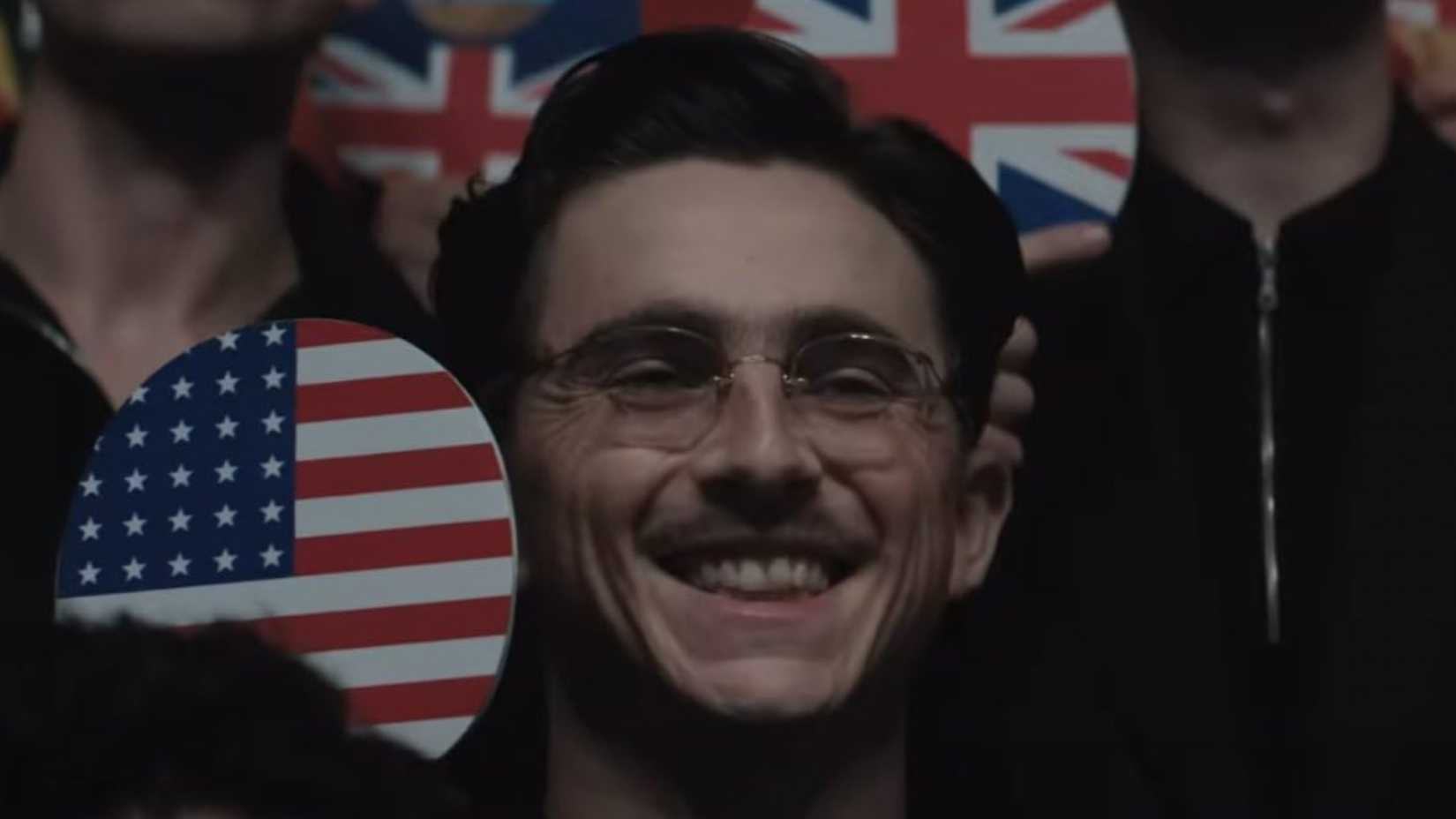
Timothée Chalamet as Marty Mauser in Marty Supreme
A24
The opening credits of Marty Supreme, set to the tune of "Forever Young" by Alphaville, are certainly shocking the first time it's viewed, given that the sequence is an up-close look at how conception works as he becomes intimate with Rachel Mizler (Odessa A'zion), before it ultimately morphs into a ping pong ball. If anything, these first few minutes establish the narrative arc of the movie and where Marty is headed by the time the credits roll. Much like Marty, the audience soon forgets the unique opening and becomes completely immersed in the sport of table tennis and the character's obsession with wanting to be the best.
Striving for such lofty goals is what undoubtedly leads to Marty's arrogance throughout the film, as Chalamet gives a career-defining performance that makes viewers laugh and indulge in his antics while simultaneously despite how rude and off-putting he is. The various matches that Marty participates in during the British Open also portray the sport in such an exciting manner, especially as he effortlessly flies through the competition. It isn't until the finals that Marty meets his match with the Japanese player Endo (Koto Kawaguchi), where he loses three straight games in a row and ends up with second place. Rather than accept his defeat and learn humility, Marty's stubbornness takes him across the world as a halftime sideshow act for the Harlem Globetrotters, as he bides his time until the World Championship, which will be hosted in Tokyo.
Along the way, Marty becomes acquainted with and eventually antagonizes Milton Rockwell (Kevin O'Leary), a business entrepreneur who learns of the sport through Marty and who wants to exploit it for his own profits by hosting an exhibition match to sell more of his products. Suddenly, the corporate interests of the Western businessman, Rockwell, help to shift the mostly negative image of Japan at the time, with Marty's own pride entangled in the larger cultural conflict. When Marty is asked to throw an exhibition match with Endo for entertainment, he vehemently declines. Instead, he tries to find other, more unorthodox methods to "earn" money for his trip to Japan for the finals.
'Marty Supreme' Ties Intense Ping-Pong Matches Into Greater Thematic Points
 A24
A24
It's in the sections of the film where Marty is trying to make a living that Marty Supreme channels the likes of Good Time and Uncut Gems, both films that Josh Safdie has previously co-directed with his brother Benny. From hustling at local rec centers to trying to enter hostage negotiations with a dog for reward money, Marty is truly desperate to find a way to Japan on his own. Amidst all the chaos of Marty's crumbling life is the now pregnant Rachel, whose loyalty to Marty is as perplexing as Marty's total lack of responsibility and refusal to accept that he is the father.
Ultimately, Marty humbles himself before Rockwell makes his way to Japan, and is further embarrassed by authority figures in his sport, his fake match with Endo, and the concept of having to kiss a pig in front of an audience for losing said fake match. All of Marty's arrogance and selfish actions have led him to this point, and upon discovering he won't be able to participate in the World Championship, becomes so frustrated that he demands a real game with Endo and the exhibition. Putting aside American corporate interests and making it a matter of pride between two players, Endo and Marty engage in an intense and heated match that ends with Marty's victory.
It's only when there is no championship title on the line, the loss of his employment to Rockwell, and being at his lowest point that Marty can truly find victory. It's a win that means nothing to anyone except for Marty, in an incredibly emotional moment that ends with the character flying back to New York, not the way he came in Rockwell's private jet, but with American soldiers making their way home. Marty goes straight to the hospital where Rachel had just given birth to their child, and upon seeing the baby, Marty breaks down in tears, as "Everybody Wants to Rule the World" (a stark opposite in the lyrics to the opening needle drop previously mentioned) by Tears for Fears begins to play, and the credits roll.
'Marty Supreme' Is Josh Safdie's Love Letter to Parenthood
 A24
A24
Marty Supreme is less concerned with getting a traditional sports movie ending and is instead more interested in telling a story of a young individual coming to terms with their dreams and how those big goals can suddenly change and transform. Still, there is plenty of uncertainty in the ending of the movie. It's hard to tell if Marty will truly step up and be the parent he should be to the child, or if his outburst of emotion was one of happiness or sadness. With the film beginning with conception and ending in childbirth, it's evident that Josh Safdie wanted to use the movie to examine how dreams and goals can change in the transition to parenthood.
Amidst all the chaotic noise, eccentric humor, and stunning performances from the cast, Marty Supreme tells a very human story that also speaks to the larger struggles everyday people have with chasing their goals while under the grip of capitalist regimes. Marty, despite all of his flaws, remains true to himself despite what the people in charge paid him to do. It's in that one small moral victory in his final ping pong match of the film that viewers can perhaps get a hint at what Marty will end up doing with his life and newfound parenthood and humility.