

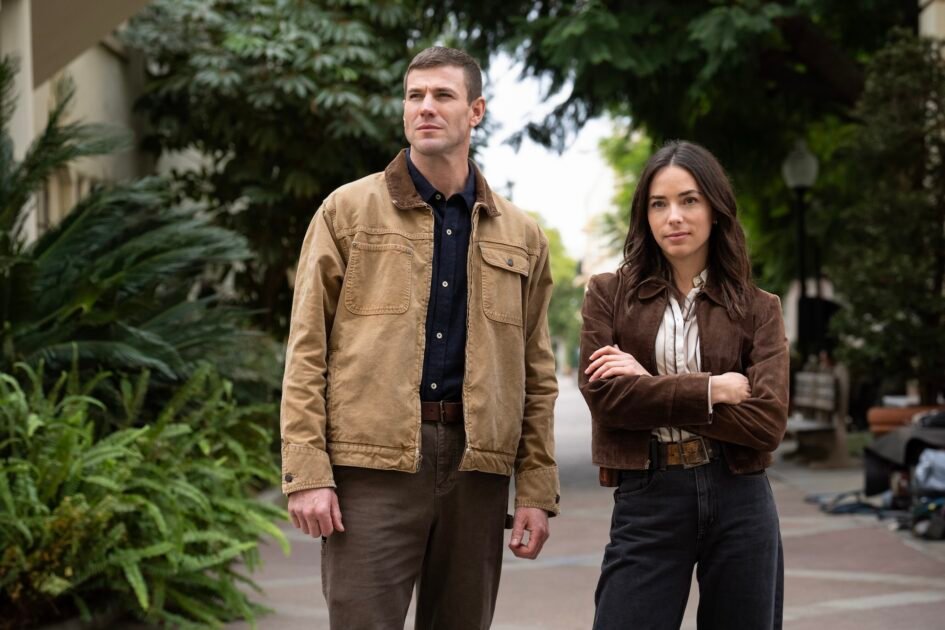

The NCIS: Origins season 2 fall finale did not merely close out the year with a standard procedural resolution; it fundamentally shifted the narrative architecture of the prequel series. By balancing a high-stakes domestic terrorism plot with a pivotal moment in Leroy Jethro Gibbs’ personal history, the series proved it is willing to embrace the chaotic nature of its protagonist’s youth.
For viewers familiar with the flagship series, the destination has always been known, but the journey remains fraught with tension. The Tuesday, December 9 episode delivered on two fronts: a devastating explosion that threatens the safety of the team, and the inevitable, albeit rushed, union between Gibbs and Diane. The execution of these plot points highlights the delicate tightrope walk the writers must perform between honoring established canon and maintaining present-day suspense.
The finale’s dual climax—one violent, one romantic—serves as a grim reminder of the tragedy that defines Gibbs’ life. While the explosion provides the cliffhanger adrenaline, it is the quiet tragedy of Gibbs making the "wrong" romantic choice that will have the longest-lasting repercussions for the franchise.
The Anatomy of the Cliffhanger: Franks and the Theater Bombing
The episode’s final moments delivered a quintessential NCIS shocker, utilizing the classic misdirection of a calm setting before a catastrophe. The sequence involving Mike Franks (Kyle Schmid) observing a target entering a movie theater was paced to maximize dread. The deadly explosion that ripped through the establishment moments after the target exited suggests a calculated attack, one that will undoubtedly dominate the narrative when the series returns in February.
This plot device serves a dual purpose. Narratively, it raises the stakes for the NIS team, moving them away from standard case-of-the-week structures into a serialized hunt for a bomber. Historically, within the franchise, these moments of mass violence are often the catalysts that harden the characters into the cynical veterans seen in the original series.
The survival of the target while innocent bystanders likely perished adds a layer of moral complexity that Franks, a character known for his gray morality, will have to navigate. It poses the question of intelligence failure versus unavoidable tragedy, a theme that NCIS: Origins has explored with surprising depth throughout its second season.
The Canon Mandate: Why Gibbs Had to Marry Diane
The most significant development in the finale was the elopement of Gibbs (Austin Stowell) and Diane (Kathleen Kenny). While the chemistry between Gibbs and fellow agent Lala Dominguez (Mariel Molino) has been the emotional engine of the series, the established canon of the original NCIS made a romantic endgame between them impossible. Mark Harmon’s version of Gibbs explicitly had four wives: Shannon, Diane, Rebecca, and Stephanie.
The prequel series is trapped by the history established over two decades of the flagship show. To deviate from Diane would be to break the fundamental reality of the NCIS universe. The writers are not choosing Diane over Lala; they are adhering to the biography of a man whose future is already written.
The decision to have Gibbs and Diane get drunk and elope in Las Vegas is a brilliant narrative choice. It strips the marriage of the romantic idealism fans might have hoped for and replaces it with impulsive, trauma-driven decision-making. This aligns perfectly with the younger, grief-stricken Gibbs, who is still reeling from the loss of Shannon and Kelly.
By framing the marriage as a chaotic, alcohol-fueled event, the show contextualizes why this relationship eventually fails. It is not built on a foundation of healing, but rather on a desperate need to feel something other than pain. This aligns with the older Gibbs’ cynical view of his past marriages, particularly his tumultuous history with Diane, who famously went on to marry his friend Tobias Fornell.
The "Lala" Factor: The Tragedy of the Road Not Taken
The most heartbreaking casualty of the finale is not a victim of the explosion, but the potential relationship between Gibbs and Lala. Mariel Molino’s portrayal of Lala has been a standout, providing a foil to Gibbs that challenges him intellectually and emotionally. However, the audience’s knowledge of the future transforms every scene between them into dramatic irony.
Stowell and Molino have played the "will-they-won't-they" dynamic with a nuance that acknowledges the impossibility of their situation. As Molino noted in previous interviews, the characters are playing out the "subtleties of wanting someone" without the ability to fully consummate that love in a way that lasts. This unrequited tension is arguably more compelling than a standard romance.
Fans rooting for Lala are essentially rooting against the canon, but the writers have managed to weaponize this hope. By having Gibbs marry Diane so suddenly, the show underscores Gibbs’ emotional unavailability. He chooses the chaotic, familiar path with Diane over the potentially grounding, but terrifyingly real, connection with Lala.
Trauma as a Character Motivator
Austin Stowell’s performance in this finale highlights the psychological state of a man who is "months after" losing his family. His decision to marry Diane is not necessarily an act of love, but an act of survival. Stowell has previously discussed how Gibbs is likely "quieting" his emotions, feeling guilty for even being alive. The sudden marriage can be interpreted as a form of self-sabotage or a desperate attempt to normalize a life that has been shattered.
The series posits that Gibbs is not ready for a healthy relationship. A relationship with Lala would require a level of vulnerability and openness that he simply does not possess at this stage in his life. Diane, conversely, represents a distraction—a chaotic force that allows him to bypass the hard work of grief.
The "Cognizant" Obstacle: The actors have emphasized that Gibbs and Lala are aware of the walls between them. The tragedy is that they are perfect for each other in a vacuum, but the context of Gibbs' trauma makes a healthy partnership impossible. The finale solidifies that Gibbs is still defined by his loss, not his recovery.
Production Insights: Weaving the Tapestry of Lore
Creator Gina Lucita Monreal’s approach to the series has been one of "weaving stories together" rather than avoiding the constraints of the original show. The challenge of a prequel is rarely what happens, but how it happens. The creators have turned the known facts (Gibbs marries Diane) into a mystery of character motivation.
This approach transforms the "canon checklist" into meaningful drama. Instead of the marriage feeling like a box being ticked, it feels like a character-driven mistake. This is the hallmark of a successful prequel: recontextualizing known events to give them new emotional weight.
The writers are evidently excited to delve into the complexities of the Gibbs-Diane dynamic. This relationship is destined to be volatile, providing ample dramatic fodder for the second half of the season. It also sets up the inevitable introduction of Tobias Fornell into this specific romantic equation down the line, a crossover event fans are eagerly anticipating.
Looking Ahead: Consequences for Season 2B
When NCIS: Origins returns on Tuesday, February 24, the show will be operating in a new paradigm. Gibbs is now a married man, a status change that will alter his interactions with every member of the team, particularly Lala. The professional dynamic will be strained by the personal choices made in Las Vegas.
Furthermore, the fallout from the theater explosion will demand immediate attention. The team will likely be fractured, dealing with the trauma of the attack while Gibbs navigates the early, likely rocky, days of his second marriage. The juxtaposition of a honeymoon period with a terrorism investigation fits the dark, gritty tone the prequel has cultivated.
Ultimately, the fall finale succeeded because it refused to take the easy way out. It gave fans the explosion they expected from a procedural and the heartbreak they expected from a drama. By locking Gibbs into a marriage doomed to fail, the series has ensured that the tragedy of Leroy Jethro Gibbs remains the central, compelling pillar of the franchise.