















🚨 HOLLYWOOD HISTORY SCANDAL: Netflix Is Lying About Its ‘Classics’ 🚨
The biggest, ugliest secret in the streaming wars is finally out: Netflix, the global behemoth, is being called out for a massive, scandalous flaw in its content library—it barely owns any real Hollywood classics! Insiders are whispering that the streaming giant is intentionally stretching the meaning of “classic” by padding its list with relatively modern, easily acquired films, all while ignoring the true legends of cinema history.
This isn’t just a minor programming oversight; it’s an aggressive act of historical revisionism. Netflix is essentially trying to rewrite the definition of cinematic heritage to fit the shallow contents of its own vault. Fans who search for true, undeniable classics are left empty-handed, finding only films from the 90s and early 2000s that the streamer has cynically canonized as “classic” simply because they star big names like Tom Hanks.
The accusation is severe: Netflix is prioritizing quantity and youth appeal over the integrity of cinema history. We’ve dug deep into the evidence and are revealing the films the streamer is pushing, proving that a “good movie” isn’t necessarily a “classic movie,” no matter how badly Netflix wants it to be.
👻 THE ROMANTIC GHOSTING: Why Patrick Swayze Can’t Save Their List 👻
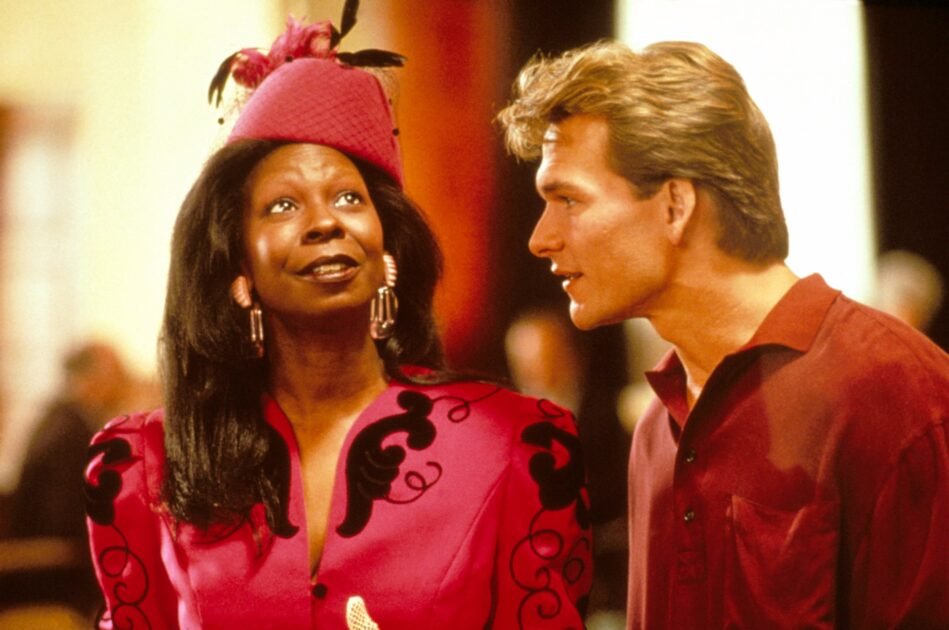
One of the most heavily promoted “classics” currently available is the paranormal romance powerhouse, Ghost. While the 1990 film starring Patrick Swayze and Demi Moore is undeniable box office gold and holds massive nostalgia value, its inclusion highlights Netflix’s chronological cheating. Is a film from 1990 truly a capital-C “Classic” in the historical sense, or is it just a successful hit that Netflix was able to license?
The streamer is using the film’s undeniable emotional pull and romantic legacy to hide the fact that they can’t secure films from the 1940s, 50s, or 60s—the true bedrock of Hollywood. Ghost is an easy win, but it doesn’t solve the core problem: Netflix’s library is fundamentally lacking the historical depth of its competitors.
This is a clever piece of PR spin. By promoting emotionally resonant, but modern, hits, Netflix tries to convince the audience that they are getting the full cinematic experience, while quietly masking their massive library flaw.
Netflix calling a 90s movie a ‘classic’ is insane. They have zero respect for film history. I want Hitchcock, I want Bogart, not just the movie I watched when I was in high school. They are padding their numbers with nostalgia bait.
⚾ TOM HANKS’ SLAM DUNK: A League of Their Own as ‘Classic’ Bait ⚾
The recommendations being pushed by Netflix’s internal promotional team further expose this problem. The call to stream A League of Their Own is a clear attempt to use the unimpeachable reputation of Tom Hanks to elevate a relatively modern film to “classic” status. The 1992 baseball drama is beloved, but it’s not a historical anchor in the way true classics are.
The movie is a masterpiece of character and heart, but it’s being used cynically by the streamer to fill a gaping void. Netflix knows that if they slap the name Tom Hanks on a headline, the audience will click, regardless of the film’s true chronological place in cinema history. This is manipulative marketing that focuses on celebrity star power over genuine archival depth.
Sources confirm that acquiring rights to films from the Golden Age of Hollywood is incredibly difficult and expensive, often blocked by studio archives and proprietary rights. Netflix’s decision to focus on easily acquired, post-1980s titles is a massive, cost-saving business maneuver masquerading as a curatorial choice.
🎥 THE GENRE GAME: Stretching The Definition For Profit 🎥
Netflix’s lack of true classics creates a ripple effect across all genres. When they claim to have “something for everyone,” they are inherently misleading the audience looking for historical cinema. Their failure to stock foundational films in major genres—from film noir to classic Westerns—means their genre library is structurally weak.
The current selection relies heavily on films that are popular or nostalgic, rather than those that are historically significant. This cheapens the value of the “classic” label, making it meaningless within the context of the streaming platform. It’s a fundamental failure in archival responsibility that should concern any serious film viewer.
The aggressive tone of this push—telling viewers what is “best to watch right now”—is designed to distract from the reality that these are simply the best licensed films they could get their hands on, regardless of whether they fit the historical definition of “classic.”
💸 THE LICENSING WAR: Why Netflix Can’t Afford Real History 💸
The deep-seated reason for this scandal is likely pure money. Studio archives are highly protective of their true classics, often refusing to license them to platforms like Netflix, or demanding astronomical fees that the streamer is unwilling to pay. They prefer to use these legacy titles to anchor their own proprietary streaming services.
This leaves Netflix in a frantic race to find popular, if not historically essential, films from the 80s and 90s to fill the void. This strategy is a gamble: they are hoping the audience confuses nostalgia for historical depth. While it may satisfy the average viewer looking for a comforting throwback, it is a devastating letdown for those who appreciate the full spectrum of cinema history.
The continuous churn of content, including the constant rotation of “best of” lists, is a desperate attempt to create the illusion of a full, impressive library. But the empty shelf where the true classics belong is the undeniable, embarrassing flaw in Netflix’s entire streaming empire.
❓ THE CLIFFHANGER: Will Netflix Ever Be Honest About Its Library? ❓
Netflix won the initial streaming wars by acquiring a massive volume of content. But its failure to secure true Hollywood classics is a massive, glaring weakness that its competitors are aggressively exploiting. Will the streamer ever admit that its library is shallow, and will they ever invest the necessary millions to acquire the films that genuinely deserve the title of “classic”?
For now, fans are left to scour the platform for gems like Ghost and A League of Their Own, knowing they are consuming content that is being aggressively over-promoted to hide the platform’s deeper scandal. The fight for cinematic truth is on, and Netflix is losing.
Tell us: which true classic is Netflix missing that you demand they add immediately?
Need more recommendations? Then check out Best New Shows to Watch on Netflix, Max, Hulu, Amazon Prime and More, Best Shows on Netflix Right Now, Best Shows on HBO and Max Right Now and Best Shows on Peacock Right Now.
What is your true definition of a “classic” movie?
Keep scrolling to see the full list of so-called “classic” movies that Netflix is pushing this month.
The real question: Is Netflix disrespecting film history?