


The Ratings Juggernaut Faces Its First Real Narrative Crisis
It is impossible to discuss the meteoric rise of Tracker without acknowledging the absolute chaos that has defined the lead-up to Season 3. Justin Hartley’s survivalist drama has cemented itself as the undisputed king of non-sports network television, crushing competitors in the 2025-2026 cycle with a ferocity that few industry analysts predicted. However, heavy is the head that wears the crown, and the show’s massive ratings have barely masked a growing fracture in the fanbase. The series took a massive, arguably reckless gamble ahead of its third year by decimating Colter Shaw’s support system, a move that left viewers reeling and critics questioning the longevity of the show’s formula.
When CBS announced the sudden, unceremonious departures of Abby McEnany (Velma) and Eric Graise (Bobby), the internet went into a tailspin. These weren’t just background players; they were the heart and the brain of Colter’s operation. Their exit signaled a terrifying shift toward a starker, lonelier procedural format that stripped away the warm, eccentric banter that balanced the show’s gritty tone. For weeks, the question on everyone’s lips has been whether Justin Hartley’s charisma alone is enough to carry a show that seems determined to isolate him. The viewership numbers say yes, but the narrative soul of the series has felt undeniably hollow without the familiar voices in Colter’s ear.
But just as the midseason fatigue threatened to set in, the network has played an ace card that changes everything. In a move that feels like both a desperate course correction and a brilliant narrative pivot, Tracker is bringing back a forgotten powerhouse from Season 2. The return of Brent Saxton’s Keaton isn’t just a cameo; it is a declaration that Colter Shaw cannot survive this life alone, no matter how much the writers try to convince us otherwise.
The Void Left by The Great Cast Purge of Season 3
To understand the weight of Keaton’s return, one must first dissect the gaping wound left by the “Great Cast Purge.” The decision to axe Velma and Bobby was framed by production as a creative choice to “shake things up” and evolve the series. In industry speak, this usually translates to budget cuts or a desire to rebrand the show as a harder, grittier action vehicle. While Reenie (Fiona Rene) and Randy remain, their dynamics with Colter are fundamentally different. Reenie is the legal eagle and potential love interest, and Randy is the muscle, but neither filled the specific “guy in the chair” void left by Bobby’s hacking skills or Velma’s logistical nurturing.
Colter Shaw operates best when he is the lone wolf on the ground, but a lone wolf still needs a pack to howl back to. Throughout the early episodes of Season 3, there has been a palpable silence during the investigative scenes. The lack of witty back-and-forth over the comms has made the missions feel colder, more mechanical. The audience feels it, too. The charm of Tracker was never just the action; it was the juxtaposition of Colter’s high-stakes danger with the mundane, quirky support of his remote team. Stripping that away risked turning the show into a generic procedural indistinguishable from the dozens of NCIS clones clogging the airwaves.
“Honestly, the show feels empty without Bobby. I don’t care how cool the stunts are, Colter talking to himself isn’t the vibe. We need the team back, or at least someone who challenges him.” — Viral fan comment from the Tracker subreddit.
This is where the skepticism stems from. Can a show sustain itself solely on the stoicism of its lead? The writers seemed to realize—perhaps a bit too late—that Colter is a character defined by his trauma, and without people to reflect that trauma against, he becomes static. The show desperately needed an injection of history, someone who understands the darkness Colter walks in without needing a five-minute exposition dump. Enter Keaton.
Why Keaton is the Perfect Foil for Colter Shaw
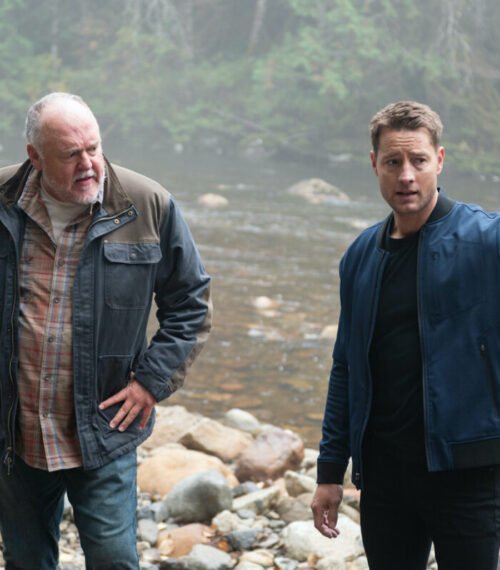
The confirmation that Brent Saxton will reprise his role as Keaton in Season 3, Episode 9, titled “Good Trouble,” is the most exciting development of the entire season. For those with short memories, Keaton isn’t just another random client of the week. Introduced in Season 2, Keaton represents a mirror image of Colter—a man capable of handling himself in the wild, who speaks the language of violence and survival. Their partnership during the Gina Picket case was electric because it wasn’t built on transaction; it was built on shared pain.
The Gina Picket case was a decade-long haunting for Colter, a failure that ate away at his soul. Keaton was instrumental in helping him close that chapter. Unlike Velma or Bobby, who observed the danger from safety, Keaton stands shoulder-to-shoulder with Colter in the line of fire. He brings a physicality to the partnership that the previous support team never could. This creates a dynamic that Tracker has sorely lacked: a peer. Colter doesn’t have to protect Keaton. He doesn’t have to explain the tactical situation to him. They just move.
This return suggests a shift in the show’s philosophy. If they aren’t going to give us the cozy “family” dynamic of Season 1, they are pivoting to a “brothers in arms” dynamic. It is a smarter, more sustainable model for a show that wants to keep Colter on the road. It allows for high-octane action sequences where two professionals dismantle threats with surgical precision, offering a visual spectacle that phone calls with a hacker simply cannot provide.
Episode 9: A Conspiracy That Could Shatter the Status Quo
The official brief for “Good Trouble” paints a picture of an episode that is poised to be a midseason finale blockbuster. The roles are reversed: this time, it is Keaton calling Colter for help. The mission? To track down Keaton’s former partner. But the synopsis teases something far darker than a simple missing persons case. The duo is set to uncover a “trail of bodies” linked to a “wild conspiracy.”
In the world of Tracker, the word “conspiracy” is a loaded gun. The overarching mythology of the series revolves around the mysterious death of Colter’s father and the secrets the Shaw family keeps. Whenever the show dips its toe into government cover-ups or deep-state conspiracies, the audience sits up straighter. Could Keaton’s missing partner have stumbled upon something related to the Shaw legacy? It would be a masterstroke of writing to tie this recurring character into the central mystery of the show, cementing his importance in the lore.
Furthermore, the “trail of bodies” implies a body count higher than the usual episode. This raises the stakes significantly. Is Keaton’s partner a victim, or a rogue agent? The emotional weight of Keaton asking Colter for a favor changes the power dynamic. Colter owes Keaton for the Picket case; this is the repayment of a blood debt. This isn’t a job for a reward; this is personal. And when things get personal for Colter Shaw, the show is at its absolute peak.
The “Jensen Ackles Effect” and the Strategy of Guest Stars
Keaton’s return highlights a developing pattern in Season 3: the reliance on high-impact recurring characters to fill the void left by the regulars. We saw it in the season premiere with the return of Jensen Ackles as Russell Shaw. The chemistry between Hartley and Ackles was radioactive, providing the season’s highest highs. Now, CBS is attempting to replicate that magic with Brent Saxton. It is a strategy that acknowledges a hard truth—Justin Hartley needs a scene partner who can match his intensity.
While Ackles brings the charm and the family baggage, Saxton brings the grit. These “guest star events” are becoming the tentpoles of the season. It turns the show into an anthology of team-ups, reminiscent of classic westerns where the drifter hero meets an old friend, solves a problem, and rides off. It is a distinct departure from the ensemble procedural format of the first two seasons. It’s risky, but it keeps the show fresh. Instead of the same four people solving crimes every week, Colter’s world feels expansive, filled with allies scattered across the map.
However, this strategy has a downside. It reminds the audience of what they are missing on a weekly basis. If Keaton and Colter have incredible chemistry in Episode 9, the silence in Episode 10 will be deafening. It creates a rhythm of peaks and valleys that can be frustrating for viewers who crave consistency. The show is effectively telling us that Colter is only interesting when he’s with someone interesting, which puts a lot of pressure on the casting department to nail these guest spots.
Is the “Unofficial Team” Gone for Good?
The return of Keaton inadvertently reopens the wounds regarding the departure of the original cast. If the show can navigate the logistics of bringing back a recurring character like Keaton, why is the door seemingly shut on Velma and Bobby? The writers have left a narrative opening—Colter travels, therefore he can cross paths with anyone. The explanation that “the story takes place in a different part of the country” is a flimsy excuse when telephones and the internet exist. The exclusion of the tech team was a choice, not a necessity.
“If they can bring back Keaton for an episode, they can bring back Bobby for a Zoom call. We just want to know he’s okay. It feels like Colter just ghosted his friends.” — Fan speculation on X (formerly Twitter).
Keaton’s appearance proves that the show is willing to look backward. This gives fans a glimmer of hope. If the ratings for “Good Trouble” spike—and they likely will—it sends a message to the network that familiar faces are currency. It sets a precedent that the “forgotten” characters aren’t dead, just dormant. Could we see a Season 4 where Bobby returns as a freelance consultant for a specific cyber-crime arc? The possibility is there, but only if the showrunners are willing to swallow their pride and admit that the “shake-up” might have been too severe.
The Verdict: A Necessary Course Correction
Ultimately, the return of Keaton is the lifeline Tracker Season 3 needed. It bridges the gap between the procedural drudgery and the emotional storytelling that made the show a hit. It provides Colter with a contemporary, a physical equal, and a connection to his past victories. The timing of the episode, likely serving as the midseason finale, suggests that the writers know they need to end the year with a bang.
While it doesn’t fully atone for the loss of the original team, it is a step in the right direction. It shows that Colter Shaw is building a network of allies across the country, a web of “good trouble” that he can call upon when the odds are stacked against him. If this conspiracy plotline delivers the thrills it promises, Keaton’s return might just be the moment Season 3 finds its footing and proves that Tracker can survive its own evolution.